What's the average price for a 2-bedroom apartment in Rehavia with an elevator, for US buyers?
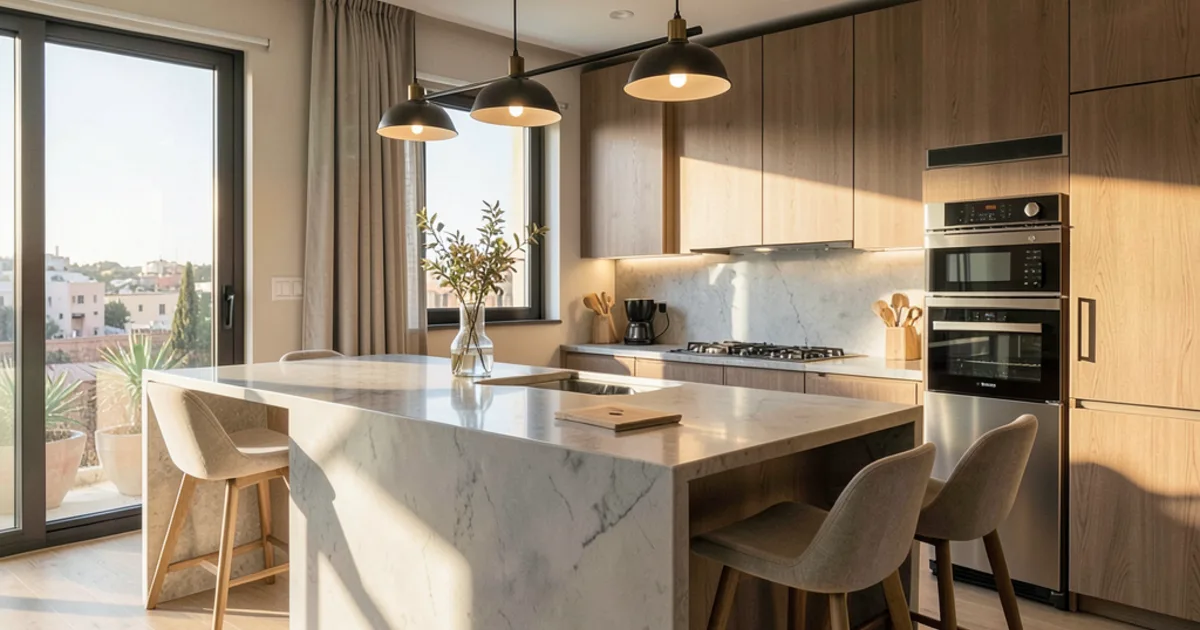
For US buyers dreaming of a home in the heart of Jerusalem, Rehavia stands out as a prime, highly sought-after neighborhood. Its unique blend of historic charm, central location, and vibrant cultural scene makes it an incredibly attractive option. However, navigating the Israeli real estate market, especially for a specific property type like a 2-bedroom apartment with an elevator, requires a nuanced understanding of prices, processes, and local considerations. This comprehensive guide from JerusalemHomes aims to demystify the financial landscape and key factors influencing the average price for such a property in Rehavia for our esteemed American clients.
- Understanding Rehavia's Appeal to US Buyers
- Defining '2-Bedroom Apartment with an Elevator' in Rehavia
- Key Factors Influencing Price Beyond Size and Elevator
- The Impact of the Exchange Rate (USD to ILS) for US Buyers
- Understanding Israeli Purchase Taxes (Mas Rekhisha)
- Mortgage Options (Mashkanta) for US Buyers
- Additional Costs: Legal Fees, Brokerage, and Renovation Potential
- The Importance of Due Diligence: Tabu and Building Permits
- Navigating the Purchase Process from Abroad
- Post-Purchase Considerations: Arnona, Utilities, and Ulpan
- Finding Your Ideal Rehavia Home with JerusalemHomes
Understanding Rehavia's Appeal to US Buyers
Rehavia embodies a unique blend of old-world charm and modern convenience, making it exceptionally appealing to US buyers. Its tree-lined streets, Bauhaus architecture, and proximity to cultural institutions like the Israel Museum and the Jerusalem Theater create an atmosphere of sophisticated urban living. Many American olim and those seeking a vacation home are drawn to Rehavia's quiet, residential feel, coupled with its excellent access to downtown Jerusalem, the Old City, and various diplomatic missions.
The neighborhood's strong sense of community, with a significant English-speaking population, further enhances its allure. This established infrastructure provides a comfortable transition for new arrivals, offering familiar amenities and social circles. The presence of numerous synagogues, cafes, and boutique shops within walking distance adds to the high quality of life that Rehavia offers its residents, cementing its status as a top-tier Jerusalem neighborhood.
Beyond lifestyle, Rehavia is also considered a stable and desirable investment. Property values in this area have historically shown resilience and appreciation, making it a sound choice for those looking to secure an asset in Israel. Its enduring popularity ensures a consistent demand, which is a crucial factor for both long-term residents and those considering a future resale.
Defining '2-Bedroom Apartment with an Elevator' in Rehavia
When we refer to a '2-bedroom apartment' in Rehavia, it typically signifies a unit with two distinct bedrooms, a living room, a kitchen, and at least one bathroom. The total size can vary significantly, from more compact units suitable for singles or couples, to more spacious layouts that might accommodate a small family or offer additional study space. The overall square footage plays a direct role in the property's valuation.
The inclusion of an 'elevator' is a critical amenity, particularly in older buildings common in Rehavia. Many historic buildings in the neighborhood were not originally constructed with elevators, and their installation can be a complex and costly endeavor. Therefore, properties that already possess a functioning elevator often command a premium, as they offer enhanced accessibility and convenience, especially for older residents or those with mobility considerations.
Furthermore, the type and condition of the building itself greatly influence the apartment's value. A well-maintained, modern building with contemporary finishes and a new elevator will naturally be priced differently than a charming, older building that has undergone a recent, high-quality renovation. The age of the elevator, its maintenance record, and whether it serves all floors are all factors implicitly considered in the asking price.
Key Factors Influencing Price Beyond Size and Elevator
While the number of bedrooms and the presence of an elevator are crucial, several other factors significantly impact the average price of a Rehavia apartment. The specific micro-location within Rehavia is paramount; an apartment on a quiet, desirable street with open views will fetch a higher price than one on a busier thoroughfare or with less appealing outlooks. Proximity to parks, cultural centers, and public transportation hubs can also add considerable value.
The condition and quality of the apartment's interior are equally important. A recently renovated apartment with high-end finishes, modern appliances, and updated infrastructure (plumbing, electrical) will command a premium over a unit requiring extensive work. Buyers should consider not just the aesthetic appeal but also the functional aspects, as major renovations in Israel can be costly and time-consuming.
Finally, external amenities and building characteristics play a role. Features such as private parking, a storage unit (machsan), a succah balcony, or even shared garden access can increase desirability and, consequently, the price. The overall maintenance level of the building, the presence of a well-managed homeowners association (Vaad Bayit), and the general ambiance of the communal areas all contribute to the perceived value of the property.
The Impact of the Exchange Rate (USD to ILS) for US Buyers
For US buyers, the fluctuating exchange rate between the US Dollar and the Israeli Shekel is a critical, often overlooked, factor in the overall cost of a property. While property prices in Israel are typically quoted in Shekels, the actual amount of Dollars a US buyer needs to spend directly depends on this exchange rate. A stronger Dollar means fewer Dollars are needed to purchase the same Shekel-denominated property, effectively making real estate more affordable.
Conversely, a weaker Dollar against the Shekel will increase the dollar cost of the Israeli property. This volatility can introduce an element of uncertainty into the purchasing process, as the final price in USD might shift between the initial inquiry and the closing date. It is advisable for US buyers to monitor exchange rate trends closely and perhaps consult with financial advisors who specialize in international transactions.
Some buyers might consider hedging strategies or specific financial instruments to mitigate exchange rate risk, especially if there's a significant time lag between committing to a purchase and the final payment. While JerusalemHomes provides general guidance, securing professional financial advice tailored to your specific situation and risk tolerance is always recommended when dealing with international currency fluctuations.
Understanding Israeli Purchase Taxes (Mas Rekhisha)
Israeli real estate transactions are subject to 'Mas Rekhisha,' or purchase tax, which is a significant component of the total acquisition cost for US buyers. The rate of this tax is progressive and depends on several factors, including whether the buyer is an Israeli resident or a foreign resident, and whether the property is their sole residence in Israel. For foreign residents or those purchasing a second property, the tax rates are generally higher.
The tax brackets and percentages are set by the Israeli government and can be subject to periodic adjustments. It's crucial for US buyers to obtain up-to-date information on the current rates applicable to their specific circumstances. For instance, an American citizen who has made Aliyah might be eligible for lower tax rates if the property is their only home in Israel, similar to an Israeli citizen.
Calculating Mas Rekhisha accurately requires careful consideration of the property's value and the buyer's status. This is not a fixed percentage across the board, but rather a tiered system. Therefore, budgeting for this substantial expense from the outset is essential. Your real estate agent from JerusalemHomes will guide you to a local lawyer who can provide precise calculations based on the latest regulations and your individual profile.
Mortgage Options (Mashkanta) for US Buyers
Securing a 'Mashkanta,' or mortgage, in Israel is a viable option for many US buyers, though the process can differ from what they are accustomed to in the United States. Israeli banks offer mortgages to non-residents, but the terms, interest rates, and required down payments may vary. Generally, non-residents might face higher equity requirements and potentially higher interest rates compared to Israeli citizens.
Banks will typically assess a buyer's financial stability, income source, and credit history. While US credit scores are not directly transferable, Israeli banks will often request financial documentation from US institutions to evaluate creditworthiness. It's advisable to begin the mortgage application process early, as it can be time-consuming and involve gathering extensive paperwork.
Key considerations for US buyers seeking a Mashkanta include the maximum loan-to-value (LTV) ratio, which is often lower for non-residents, and the types of interest rates available (fixed, variable, prime-linked). Consulting with a mortgage broker specializing in Israeli mortgages for foreign buyers can be invaluable, as they can navigate the complexities and connect you with suitable lenders. JerusalemHomes can recommend reputable professionals to assist in this area.
Additional Costs: Legal Fees, Brokerage, and Renovation Potential
Beyond the purchase price and Mas Rekhisha, US buyers must budget for several additional costs. Legal fees for an Israeli real estate lawyer are mandatory to ensure the transaction is legally sound, including checking the Tabu (land registry) and drafting the purchase agreement. These fees typically range from a fraction of a percent to a few percent of the property value, depending on the complexity of the deal.
Brokerage fees, or commission, are also a standard expense. In Israel, it is customary for both the buyer and seller to pay a commission to their respective agents, or sometimes a single agent represents both parties with an agreed-upon split. This fee is usually a percentage of the purchase price, plus VAT (Ma'am), and is agreed upon at the outset of the engagement with your JerusalemHomes agent.
Finally, consider potential renovation costs. Even if an apartment appears move-in ready, minor upgrades or personalized touches might be desired. For older properties, more substantial renovations could be necessary. Obtaining quotes from local contractors early in the process can help in accurately estimating the total investment required to make the apartment truly your own.
The Importance of Due Diligence: Tabu and Building Permits
Thorough due diligence is paramount in Israeli real estate. A critical step is verifying the property's registration in the Tabu (Land Registry Office). The Tabu records ownership, liens, mortgages, and any restrictions on the property. Your Israeli lawyer will conduct a comprehensive Tabu check to ensure clear title and identify any potential issues that could affect your ownership rights.
Another vital aspect is confirming the legality of the property's construction and any additions. This involves checking for valid building permits from the municipality. Unpermitted construction or violations can lead to fines, demolition orders, or difficulties in future resale. It's not uncommon in older areas like Rehavia to find properties with historical alterations that may not have been fully documented.
Furthermore, understanding the building's 'Vaad Bayit' (homeowners association) status, including its financial health, ongoing projects, and any disputes, is crucial. This provides insight into the communal living environment and potential future expenses. A diligent review of all these documents by your legal team is non-negotiable to protect your investment.
Navigating the Purchase Process from Abroad
Purchasing property in Rehavia from the United States requires careful coordination and reliance on trusted local professionals. While it's possible to conduct much of the initial research and communication remotely, having a reliable team on the ground is essential. This team typically includes a knowledgeable real estate agent from JerusalemHomes, an experienced Israeli real estate lawyer, and potentially a mortgage broker.
The process often begins with identifying suitable properties through virtual tours and detailed listings. Once a property of interest is found, a 'binding memorandum' (Zichron Devarim) may be signed, which outlines the basic terms of the deal and often includes a deposit. This is a legally significant step, so legal counsel should be involved even at this preliminary stage.
The subsequent steps involve drafting and negotiating the full purchase agreement, conducting due diligence, securing financing, and finally, transferring ownership at the Tabu. For US buyers, this might also involve setting up an Israeli bank account for transactions and understanding the tax implications in both Israel and the US. Effective communication and clear expectations with your local team are key to a smooth transaction.
Post-Purchase Considerations: Arnona, Utilities, and Ulpan
Once the purchase is complete, there are ongoing costs and considerations for property owners in Rehavia. 'Arnona' is the municipal property tax paid to the Jerusalem municipality, which covers services like refuse collection, street lighting, and park maintenance. The amount of Arnona depends on the property's size and location, and it is paid periodically, usually bimonthly or annually.
Utilities, such as electricity, water, and gas, are additional monthly expenses. It's important to understand the billing cycles and set up accounts with the relevant service providers. Many US buyers also opt for internet, cable TV, and phone services, which add to the recurring costs of homeownership. Budgeting for these ongoing expenses is crucial for a realistic financial plan.
For those planning to make Aliyah or spend significant time in Israel, attending an 'Ulpan' (Hebrew language school) is highly recommended. While not a direct property cost, it's an investment in integrating into Israeli society and can greatly enhance the experience of living in Rehavia. Many resources are available for new immigrants to help them navigate these post-purchase adjustments.
Finding Your Ideal Rehavia Home with JerusalemHomes
At JerusalemHomes, we specialize in guiding US buyers through the intricacies of the Jerusalem real estate market, particularly in prestigious neighborhoods like Rehavia. Our expertise extends beyond simply finding properties; we offer comprehensive support to ensure a seamless and informed purchasing experience. We understand the specific needs and concerns of international clients, from understanding local regulations to connecting with trusted professionals.
Our team provides personalized service, leveraging deep market knowledge to identify apartments that not only meet your '2-bedroom with an elevator' criteria but also align with your lifestyle, investment goals, and budget. We offer access to exclusive listings, detailed property information, and local insights that are invaluable for making well-educated decisions.
Partnering with JerusalemHomes means having a dedicated advocate throughout your entire journey, from initial search to closing and beyond. We are committed to transparency, professional integrity, and delivering exceptional client satisfaction. Let us help you unlock the door to your dream home in Rehavia, making your transition to Jerusalem as smooth and rewarding as possible.
FAQ
Can I get a mortgage in Israel if I'm not an Israeli citizen?
Yes, non-Israeli citizens can obtain mortgages (Mashkanta) from Israeli banks. However, the terms, interest rates, and required down payments may differ, often requiring a larger equity contribution compared to Israeli residents.
What is 'Tabu' and why is it important for US buyers?
Tabu is the Israeli Land Registry Office, which records all property ownership and related rights. It's crucial for US buyers as your lawyer will verify the property's clear title and ensure there are no unforeseen liens or restrictions before purchase.
Are there any special tax considerations for US citizens buying property in Israel?
US citizens buying property in Israel must consider both Israeli purchase taxes (Mas Rekhisha) and potential US tax implications, such as reporting foreign assets. Consulting with a tax advisor specializing in both US and Israeli taxation is highly recommended.
How does the 'Vaad Bayit' affect property ownership in Rehavia?
The Vaad Bayit is the building's homeowners association, responsible for managing communal areas and maintenance. Its financial health and management quality are important, as they can impact ongoing costs and the overall living experience in the building.
Get your personalised shortlist
Listings and up-to-date info, straight to your inbox, free, no obligation.
See Jerusalem homes →