What is the average price of a 3-bedroom apartment in Baka for English-speaking buyers?
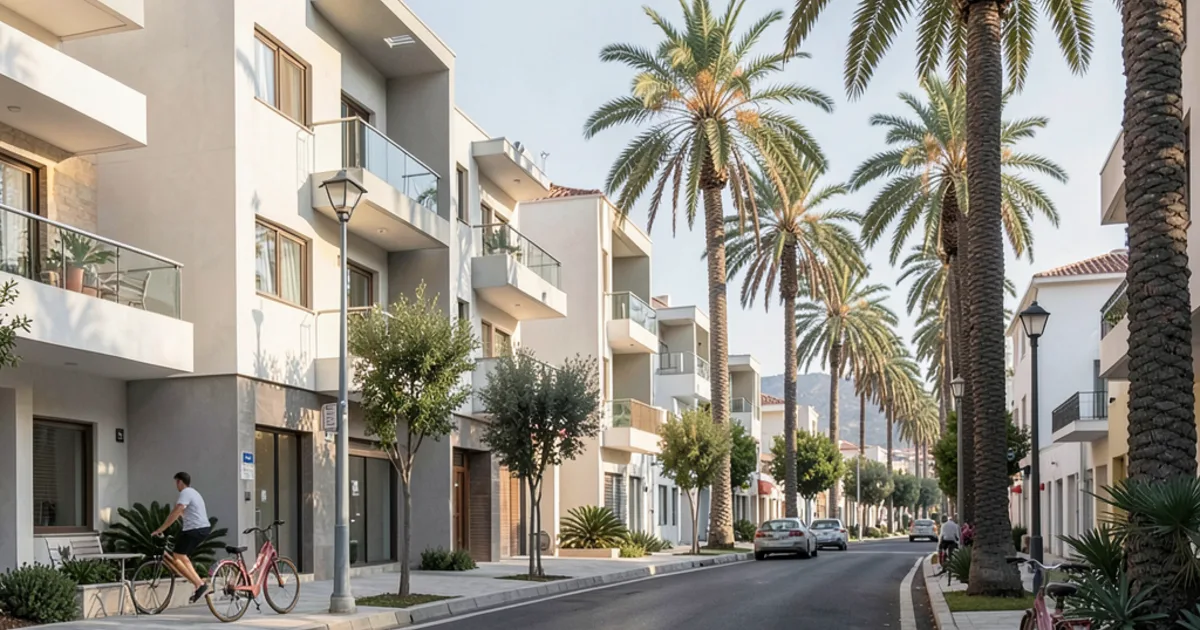
For many English-speaking buyers considering a move to Jerusalem, the picturesque and vibrant neighborhood of Baka stands out as a prime location. Known for its tree-lined streets, historic architecture, and strong community feel, Baka offers an appealing lifestyle. A common and crucial first question for prospective homeowners is, 'What is the average price of a 3-bedroom apartment in Baka?' This comprehensive guide aims to shed light on current price trends, the myriad factors influencing property values, and the essential steps involved in securing a home in this coveted Jerusalem district.
- Understanding the Baka Real Estate Landscape
- Key Factors Influencing 3-Bedroom Apartment Prices in Baka
- Understanding Price Ranges for 3-Bedroom Baka Apartments
- The Impact of Market Dynamics on Baka Property Values
- Navigating the Purchase Process: Essential Steps for English Speakers
- The Role of a Real Estate Agent in Your Baka Search
- Additional Costs Beyond the Purchase Price
- Comparing Baka to Neighboring Jerusalem Neighborhoods
- Long-Term Investment Potential in Baka
- Living in Baka: Lifestyle Considerations for English Speakers
Understanding the Baka Real Estate Landscape
Baka, nestled between the German Colony and Katamon, boasts a unique charm that makes it consistently one of Jerusalem's most desirable residential areas. Its appeal stems from a blend of historical character, proximity to cultural centers, and a family-friendly atmosphere. The demand for properties here, particularly those offering comfortable family living spaces like 3-bedroom apartments, remains robust.
The real estate market in Baka is characterized by a relatively limited supply of new construction, with many properties being renovations of older buildings or apartments within well-established complexes. This scarcity contributes to the neighborhood's enduring value and can influence price dynamics. Buyers often find a diverse range of apartment styles, from those in classic stone buildings to more contemporary designs within newer, smaller projects.
Unlike some areas with rapid development, Baka's growth tends to be more organic and measured, preserving its unique ambiance. This stability is often viewed as a positive by long-term investors and those seeking a permanent residence. The neighborhood's strong infrastructure, including schools, synagogues, and local shops, further enhances its attractiveness to English-speaking families.
Key Factors Influencing 3-Bedroom Apartment Prices in Baka
The 'average price' of a 3-bedroom apartment in Baka is not a static figure but rather a dynamic range influenced by several significant factors. Location within Baka itself plays a crucial role; apartments on quieter, more picturesque streets or those closer to popular amenities might command a premium. Proximity to parks, commercial centers, or specific educational institutions can significantly impact perceived value.
The condition and age of the building are paramount. A newly renovated apartment in a well-maintained, older stone building will likely differ in price from an unrenovated unit in a similar structure, or an apartment in a more contemporary, recently built complex. The quality of finishes, the presence of modern amenities like central air conditioning, underfloor heating, or smart home systems, all contribute to the final asking price.
Furthermore, specific property attributes such as the presence of a private garden, a large succah balcony, private parking, or elevator access can add substantial value. Views, particularly those offering open vistas or a glimpse of Jerusalem's iconic skyline, are also highly sought after. The floor level can also be a factor, with ground-floor apartments potentially offering garden access and higher floors sometimes providing better views or more light.
Understanding Price Ranges for 3-Bedroom Baka Apartments
While providing exact figures is not feasible due to market fluctuations and the unique nature of each property, we can discuss typical price ranges for 3-bedroom apartments in Baka. Generally, buyers should anticipate a significant investment, reflecting the neighborhood's prestige and high demand. A well-located, standard 3-bedroom apartment in good condition will typically fall within a certain broad price bracket.
Properties requiring substantial renovation or those in less prime micro-locations within Baka might be found at the lower end of this spectrum. Conversely, a meticulously renovated apartment in a highly desirable building, offering premium finishes, a large succah balcony, and perhaps private parking, will likely command prices at the higher end of the range. Exceptional properties with unique features or significant historical value could even exceed these typical ranges.
It is important for buyers to understand that these are general guidelines. The final price is always a result of negotiation between buyer and seller, influenced by current market conditions, specific property attributes, and the urgency of both parties. Engaging with a local real estate agent who specializes in Baka is crucial for obtaining the most up-to-date and specific pricing insights relevant to your search.
The Impact of Market Dynamics on Baka Property Values
The Jerusalem real estate market, including Baka, is influenced by broader economic trends both nationally and internationally. Factors such as interest rates for Mashkanta (mortgages), the strength of the Israeli economy, and global financial stability can all play a role in shaping buyer demand and property valuations. Periods of high demand and limited supply tend to push prices upward, while other periods might see more stable or even slightly adjusted pricing.
Demographic shifts also contribute to market dynamics. The continued interest from English-speaking olim (immigrants) and foreign residents seeking a foothold in Jerusalem ensures a consistent demand for properties in neighborhoods like Baka. This international interest often helps to underpin property values, even during times when local demand might fluctuate.
Government policies related to construction, taxation (such as Mas Rekhisha for purchase tax or potential changes to Mas Shevah for capital gains), and urban planning can also have an indirect impact on the Baka market. Developers' willingness to undertake new projects or extensive renovations is often tied to these regulatory environments, which in turn affects the supply of desirable properties.
Navigating the Purchase Process: Essential Steps for English Speakers
Purchasing property in Israel, especially for those new to the system, involves specific legal and financial steps. The initial stage typically involves finding a suitable property and agreeing on a price. This is often followed by a 'binding memorandum of understanding' or a preliminary agreement, which outlines the basic terms of the sale.
Crucially, engaging an experienced Israeli real estate lawyer (Ored Din) is non-negotiable. Your lawyer will conduct due diligence, checking the property's registration with the Tabu (land registry) to ensure clear title, verify building permits, and review any liens or encumbrances. They will also draft or review the official purchase agreement, ensuring your interests are protected.
Financing is another key component. Many buyers will require a Mashkanta (mortgage) from an Israeli bank. The process involves providing extensive documentation, and it is advisable to get pre-approval to understand your borrowing capacity. Finally, after signing the contract, you will be responsible for paying Mas Rekhisha (purchase tax) and registering the property in your name at the Tabu.
- Engage an experienced Israeli real estate agent specializing in Baka.
- Retain a reputable Israeli real estate lawyer for due diligence and contract review.
- Secure pre-approval for a Mashkanta (mortgage) if financing is required.
- Understand and budget for Mas Rekhisha (purchase tax) and other associated fees.
- Ensure all agreements, including the binding memorandum, are reviewed by your lawyer.
The Role of a Real Estate Agent in Your Baka Search
For English-speaking buyers, a skilled and trustworthy real estate agent is an invaluable asset in the Baka market. An expert agent possesses an intimate knowledge of the neighborhood's specific micro-markets, including which streets command higher prices, upcoming developments, and properties that may not yet be publicly listed. They can provide realistic price expectations and guide you through the negotiation process.
Beyond showing properties, a good agent acts as a cultural and linguistic bridge, helping you navigate the nuances of Israeli real estate. They can explain local customs, recommend reliable lawyers and mortgage brokers, and assist with communication with sellers or other professionals. Their local network can often open doors to off-market opportunities that suit your specific criteria.
When selecting an agent, look for someone with a proven track record in Baka, excellent communication skills in English, and a deep understanding of the unique needs of international buyers. Transparency, integrity, and a client-focused approach are paramount. Their experience will save you time, reduce stress, and ultimately contribute to a more successful property acquisition.
Additional Costs Beyond the Purchase Price
It's crucial for buyers to budget for several additional costs beyond the agreed-upon purchase price. The most significant is Mas Rekhisha (purchase tax), which is a progressive tax based on the property's value and the buyer's residency status. For non-residents, or those who already own property in Israel, the tax rate can be substantially higher.
Legal fees for your Ored Din will typically amount to a percentage of the purchase price, plus VAT (Ma'am). There are also registration fees for transferring the property title at the Tabu (Land Registry) and potentially other minor administrative charges. If you use a real estate agent, their commission, usually a percentage of the sale price plus VAT, will also need to be factored in.
Other potential costs include valuation fees if a bank requires an appraisal for your Mashkanta, and renovation expenses if you plan to update the apartment after purchase. It is wise to set aside a contingency fund for unforeseen expenses, as well as for ongoing costs like Arnona (municipal property tax) and Va'ad Bayit (building maintenance fees) once you own the property.
Comparing Baka to Neighboring Jerusalem Neighborhoods
While Baka offers a distinct appeal, it's often helpful to compare its property market to neighboring desirable areas like the German Colony, Katamon, and Arnona. The German Colony, known for its boutique shops and restaurants, often features larger, more historic homes and can command similar or even higher prices, particularly for properties with significant character and large plots.
Katamon, especially Old Katamon, shares some architectural similarities with Baka and offers a strong community feel. Prices here can be competitive with Baka, with variations depending on the specific micro-neighborhood and property condition. Newer parts of Katamon might offer more contemporary housing options, potentially at different price points.
Arnona, while still a desirable neighborhood, generally offers a slightly different price point compared to Baka, often providing more value for money in terms of square footage or newer construction. It's a popular choice for families and offers excellent views from certain vantage points. Rehavia, another prestigious area, tends to be among the most expensive, characterized by grand apartments and proximity to government institutions and cultural sites. Understanding these comparisons can help buyers refine their search and determine where their budget aligns best with their lifestyle preferences.
Long-Term Investment Potential in Baka
Baka's enduring popularity and limited supply suggest a strong potential for long-term value appreciation. The neighborhood's inherent desirability, coupled with its stable community and excellent amenities, makes it a resilient market. While no investment is without risk, Baka has historically demonstrated consistent growth in property values.
The ongoing demand from both local and international buyers, including those seeking a permanent home or a strategic investment in Jerusalem, contributes to this stability. Properties in Baka are often viewed not just as residences but as valuable assets that hold their worth over time. This makes it an attractive option for those looking for a stable long-term investment.
Factors like urban renewal projects in nearby areas, continuous infrastructure improvements, and the general growth of Jerusalem as a vibrant international city further bolster Baka's investment appeal. While short-term fluctuations can occur, the fundamental drivers of value in Baka remain robust, offering confidence to long-term property holders.
Living in Baka: Lifestyle Considerations for English Speakers
Beyond property prices, the lifestyle offered by Baka is a significant draw for English-speaking buyers. The neighborhood boasts a vibrant, diverse, and welcoming community, making it relatively easy for newcomers to integrate. Many local businesses, synagogues, and community centers cater to an English-speaking clientele, fostering a sense of belonging.
Baka is renowned for its family-friendly atmosphere, with numerous parks, playgrounds, and schools. The proximity to the German Colony's lively Emek Refaim Street offers a wealth of cafes, restaurants, and shops, providing excellent leisure and entertainment options. The area is also well-served by public transportation, connecting residents to other parts of Jerusalem.
For those learning Hebrew, Baka's diverse population means there are ample opportunities to practice, while also having the comfort of English-speaking circles. Access to ulpan (intensive Hebrew language courses) and various community programs further supports integration. The quality of life, cultural richness, and strong community fabric are often cited as primary reasons for choosing Baka as a home.
FAQ
Is it possible to find a 3-bedroom apartment in Baka under a certain budget threshold?
Finding a 3-bedroom apartment in Baka under a specific lower budget can be challenging, as it's a high-demand neighborhood. Such properties might require significant renovation, be located on less prime streets, or have fewer amenities. It is advisable to consult with a local real estate agent to understand current opportunities within your budget.
What is the typical size range for a 3-bedroom apartment in Baka?
The typical size range for a 3-bedroom apartment in Baka can vary widely depending on the building's age and style. Generally, you might expect to find apartments ranging from around 80 to over 120 square meters. Newer constructions or extensively renovated older units might offer more efficient layouts or additional space.
Are there new construction 3-bedroom apartments available in Baka?
New construction in Baka is less common compared to some other Jerusalem neighborhoods, as it is a well-established area. However, occasionally, smaller-scale projects or TAMA 38 (urban renewal) renovations might introduce new or significantly updated 3-bedroom units to the market. These tend to be highly sought after and can command premium prices.
What are the ongoing monthly costs for a 3-bedroom apartment in Baka?
Ongoing monthly costs for a 3-bedroom apartment in Baka primarily include Arnona (municipal property tax), Va'ad Bayit (building maintenance fees), and utilities such as electricity, water, and gas. Arnona rates vary based on apartment size and location, while Va'ad Bayit fees depend on the building's services and amenities (e.g., elevator, garden maintenance).
How does the purchase tax (Mas Rekhisha) impact the total cost for English-speaking buyers?
Mas Rekhisha can significantly impact the total cost, especially for English-speaking buyers who are not considered 'first-time buyers' in Israel or those who already own property. The tax is progressive, meaning higher-value properties incur higher percentage rates. It's crucial to consult with your Israeli real estate lawyer to understand the exact tax implications for your specific situation.
Get your personalised shortlist
Listings and up-to-date info, straight to your inbox, free, no obligation.
See Jerusalem homes →