What are the common mistakes first-time foreign buyers make when purchasing in Jerusalem?
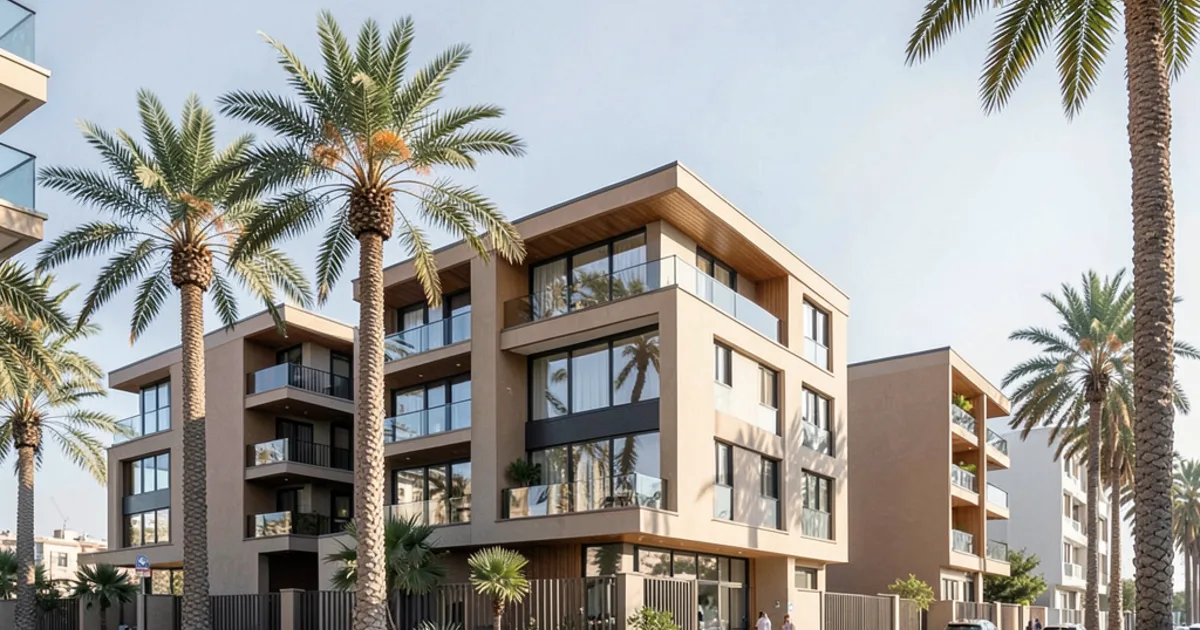
For many, purchasing property in Jerusalem represents a dream, a connection to history, and a tangible stake in one of the world's most unique cities. However, for foreign buyers, especially those new to the Israeli market, the path to homeownership is riddled with potential pitfalls. Understanding these common mistakes and proactively addressing them is crucial for a successful and stress-free acquisition. This comprehensive guide from JerusalemHomes aims to equip you with the knowledge to navigate the intricacies of buying property in Jerusalem, transforming potential obstacles into stepping stones.
Quick answer: Foreign buyers often overlook the strict currency controls on bringing funds into Israel and misunderstand the complex tax implications for non-residents. They also frequently underestimate the legal nuances of title deeds and zoning laws, which can lead to costly delays or disputes during the transaction process.
- Why is understanding the Jerusalem real estate market uniquely challenging for foreign buyers?
- Failing to secure adequate local legal representation
- Underestimating the financial implications beyond the purchase price
- Neglecting to understand the Israeli mortgage market (Mashkanta)
- Skipping thorough property inspections and due diligence
- Misunderstanding the 'binding memorandum' (Zichron Devarim)
- Ignoring the importance of local expert advice
- Failing to account for cultural and linguistic barriers
- Not considering future exit strategies and tax implications
- Making emotional rather than rational decisions
- Failing to verify property measurements and building permits
Why is understanding the Jerusalem real estate market uniquely challenging for foreign buyers?
The Jerusalem real estate market operates under a distinct set of legal, financial, and cultural norms that can be significantly different from those in a buyer's home country. This divergence often leads to misunderstandings and incorrect assumptions, particularly for first-time foreign purchasers. What might be standard practice elsewhere could be entirely absent or heavily regulated in Israel, necessitating a thorough re-education on local procedures.
Beyond the legal framework, the cultural nuances of negotiation, communication, and even the pace of transactions can surprise international buyers. Expectations formed in different markets, where processes might be more standardized or less relationship-driven, often clash with the realities on the ground. This requires a flexible mindset and a willingness to adapt to local customs to ensure a smooth transaction.
Furthermore, the emotional and spiritual significance of Jerusalem often influences property values and availability, adding another layer of complexity. Areas like Baka, Rehavia, the German Colony, Katamon, and Arnona, while highly desirable, each possess their own micro-market dynamics. Without local expertise, understanding these subtle distinctions and their impact on long-term value can be incredibly difficult for an outsider.
Failing to secure adequate local legal representation
One of the most critical errors foreign buyers make is not engaging an independent, experienced Israeli real estate lawyer early in the process. Unlike some countries where a lawyer's role might be primarily advisory, in Israel, they are central to safeguarding your interests, conducting due diligence, and ensuring the legality of the entire transaction. Relying solely on a real estate agent, no matter how reputable, is insufficient.
A skilled lawyer will meticulously review the property's registration in the Tabu (Land Registry) or with the Israel Land Authority (ILA), verifying ownership, checking for liens, mortgages, or other encumbrances that could complicate or invalidate the sale. They will also scrutinize the building permits and zoning regulations, ensuring the property is legally constructed and compliant with local planning laws. This thorough investigation is paramount to avoiding future legal disputes.
Furthermore, your lawyer will draft and negotiate the purchase agreement, ensuring all terms are favorable and protect your rights. They will also guide you through the complex tax implications, including Mas Rekhisha (purchase tax) and potential Mas Shevah (capital gains tax) implications for future sale, ensuring you understand your obligations and entitlements. Without this dedicated legal expertise, buyers are vulnerable to unforeseen liabilities and contractual ambiguities.
Underestimating the financial implications beyond the purchase price
Many first-time foreign buyers focus almost exclusively on the advertised purchase price, failing to adequately budget for the substantial additional costs involved in acquiring property in Jerusalem. These 'hidden' expenses can significantly inflate the total investment and catch unprepared buyers off guard, potentially jeopardizing the entire transaction. It's crucial to obtain a comprehensive financial breakdown upfront.
Key additional costs include Mas Rekhisha (purchase tax), which can be a significant percentage of the property value, varying based on buyer residency status and property type. Legal fees, agent commissions (typically paid by the buyer in Israel), and valuation fees for mortgage purposes also add up. Furthermore, connecting to utilities, minor renovations, and initial furnishing costs should be factored into the overall budget.
Beyond the acquisition, ongoing expenses like Arnona (municipal property tax), va'ad bayit (building maintenance fees), and utility bills (electricity, water, gas) are recurring costs that need to be considered in your long-term financial planning. Not accounting for these can lead to financial strain and diminish the enjoyment of your new home. A detailed financial plan, ideally with the help of a local financial advisor, is indispensable.
Neglecting to understand the Israeli mortgage market (Mashkanta)
For many foreign buyers, financing a property purchase in Israel involves navigating the Mashkanta (mortgage) market, which can differ significantly from home country practices. A common mistake is assuming that pre-approval from an overseas bank will translate directly or easily into an Israeli mortgage. Israeli banks have their own stringent criteria, often requiring a substantial down payment and specific documentation, which can be challenging for non-residents to provide.
The types of mortgages available in Israel, their interest rate structures (e.g., linked to the CPI, prime rate, or fixed), and repayment schedules can be complex. Foreign buyers often fail to research these options thoroughly or to engage a reputable mortgage broker who specializes in assisting non-residents. This can lead to less favorable terms, extended processing times, or even outright denial of financing.
Furthermore, the documentation required for a Mashkanta can be extensive, including proof of income, bank statements (sometimes from overseas accounts), and credit history, all potentially needing official translation and apostille. Starting this process early and understanding the requirements well in advance is crucial. Delays in securing a mortgage can jeopardize the purchase, especially when dealing with time-sensitive agreements.
Skipping thorough property inspections and due diligence
While a lawyer handles legal due diligence, a physical inspection of the property is equally vital, yet often overlooked or inadequately performed by foreign buyers. Assuming that a property is in perfect condition, especially in older, charming neighborhoods like the German Colony or Rehavia, can lead to costly surprises down the line. Many buildings in Jerusalem have historical character but may also come with aging infrastructure.
Engaging a qualified and independent property inspector (Bedek Bayit) to assess the structural integrity, plumbing, electrical systems, roofing, and potential for dampness or other issues is a non-negotiable step. Their report can uncover hidden defects that are not apparent during a casual viewing, providing leverage for price negotiation or informing a decision to walk away from a problematic property. This investment in an inspection can save significantly more in future repair costs.
Furthermore, it's essential to investigate the building's history, including any major repairs or renovations, and the financial health of the va'ad bayit (building committee). Understanding past issues or planned assessments can reveal potential future expenses. A comprehensive inspection, coupled with a review of the building's maintenance records, offers a holistic view of the property’s true condition.
Misunderstanding the 'binding memorandum' (Zichron Devarim)
In Israel, a 'Zichron Devarim' or binding memorandum of understanding is sometimes used as an interim agreement before a full purchase contract. Foreign buyers often misunderstand its legal weight, mistakenly viewing it as a non-binding preliminary discussion. However, if drafted correctly and containing all essential terms, a Zichron Devarim can be legally binding, creating significant obligations and penalties if either party withdraws.
The danger lies in signing such a document without prior legal review. It can commit you to a purchase before you've completed full due diligence, secured financing, or even had a property inspection. This places buyers in a vulnerable position, potentially forcing them to proceed with a less-than-ideal deal or face financial penalties for backing out.
It is always advisable to avoid signing any Zichron Devarim without your lawyer's explicit approval and, ideally, to proceed directly to a comprehensive purchase agreement once all due diligence is complete. Your lawyer will ensure that any preliminary agreement explicitly states it is non-binding until a formal contract is signed, protecting your flexibility and interests.
Ignoring the importance of local expert advice
Attempting to navigate the Jerusalem real estate market without the guidance of experienced local professionals is a recipe for error. Foreign buyers often rely on general internet searches or advice from well-meaning but unqualified acquaintances, which can be misleading or outdated. The market is dynamic, and local insights are invaluable.
This includes not only a real estate agent specializing in foreign buyers and the Jerusalem market (especially neighborhoods like Katamon, Arnona, or Baka) but also a local accountant, mortgage broker, and potentially a currency exchange specialist. Each plays a distinct role in ensuring a smooth and financially sound transaction, offering expertise specific to the Israeli context.
A good local real estate agent, for example, will not only help you find suitable properties but also provide critical market insights, assist with negotiations, and connect you with other trusted professionals. Their understanding of local pricing trends, neighborhood characteristics, and cultural nuances is indispensable for making informed decisions and avoiding missteps.
Failing to account for cultural and linguistic barriers
While many Israelis speak English, conducting a major transaction like a property purchase involves intricate legal and financial terminology, often primarily in Hebrew. Overlooking these linguistic barriers can lead to misunderstandings, misinterpretations of documents, and a general feeling of being out of the loop. Relying solely on casual translation can be perilous.
It is crucial to ensure that all critical documents are either provided in English or professionally translated, and that you have a clear understanding of their content before signing. Your lawyer should be able to explain all terms in a language you fully comprehend. Don't be afraid to ask for clarification multiple times until you are completely comfortable.
Beyond language, cultural differences in negotiation styles, communication protocols, and even the pace of business can be surprising. Israelis are often direct, and negotiations can be spirited. Understanding these cultural cues, perhaps by taking an ulpan (Hebrew language immersion course) or simply observing, can help foreign buyers engage more effectively and avoid unintentional missteps or offense.
Not considering future exit strategies and tax implications
While the primary focus is often on acquiring the property, first-time foreign buyers frequently overlook the importance of planning for a potential future sale. Israeli tax laws regarding property sales, particularly for non-residents, can be complex and can significantly impact your net proceeds. Not understanding these implications upfront is a common and costly mistake.
Mas Shevah (capital gains tax) is levied on the profit from selling property in Israel, and the rules for foreign residents can differ from those for Israeli citizens. There are various exemptions and deductions, but these require careful planning and documentation from the time of purchase. Your lawyer and accountant should advise you on how to structure your purchase to optimize for future tax efficiency.
Considerations such as maintaining proper records of all purchase-related expenses, renovations, and improvements are vital for calculating your cost basis when selling. Without these records, you might end up paying more tax than necessary. Thinking ahead about your exit strategy ensures that your investment remains as profitable as possible, even years down the line.
Making emotional rather than rational decisions
Jerusalem holds deep emotional and spiritual significance for many, and this can sometimes cloud rational judgment during a property purchase. First-time foreign buyers often fall in love with a property's charm or location (e.g., a picturesque street in Baka or a historic building in Rehavia) and overlook practical considerations, financial realities, or potential red flags. This emotional attachment can lead to overpaying or ignoring critical issues.
While it's natural to feel a strong connection to your potential home, it's crucial to balance emotion with a pragmatic, informed approach. Stick to your budget, adhere to your list of essential criteria, and listen to the objective advice of your legal and financial advisors. A property that feels 'right' emotionally might not be the soundest investment or the most practical choice.
Taking time to step back, sleep on decisions, and avoid feeling pressured into a quick commitment can prevent impulsive mistakes. Remember that there are many beautiful homes in Jerusalem, and patience, combined with expert guidance, will lead you to the right one without compromising your financial and legal security.
Failing to verify property measurements and building permits
A common error, particularly in older buildings or those undergoing renovations, is to assume that the stated property size or the existence of certain features (like an added balcony or an extra room) is legally compliant. In Israel, the official registered size in the Tabu or ILA records is paramount, and any discrepancies can lead to significant problems. Foreign buyers often fail to verify these details thoroughly.
It is imperative that your lawyer cross-references the property's stated size and layout with the official building permits and plans held by the municipality. Unauthorized additions or modifications, even if they appear benign, can trigger demolition orders, hefty fines, or make it impossible to obtain a mortgage or sell the property in the future. This is particularly relevant in areas with strict zoning, such as parts of the German Colony or Old Katamon.
Ensuring that all aspects of the property are legally built and permitted is a fundamental part of due diligence. Your lawyer should confirm that the property's actual state aligns with its legal documentation, protecting you from inheriting significant and costly compliance issues. Do not rely solely on what you see or what the seller tells you; always verify with official sources.
FAQ
What is Tabu and why is it important for foreign buyers?
Tabu is the Israeli Land Registry, the official record of property ownership and rights. It's crucial for foreign buyers to verify the property's registration in Tabu to confirm ownership, check for liens, mortgages, or other encumbrances, ensuring a clear and legal title.
Do I need an Israeli bank account to buy property in Jerusalem?
While not strictly mandatory in all cases, opening an Israeli bank account is highly recommended. It simplifies the transfer of funds for the purchase, payment of taxes, and ongoing expenses like Arnona and utility bills, making the financial aspects of ownership much smoother.
What is Arnona and how does it affect foreign owners?
Arnona is the municipal property tax levied by the Jerusalem municipality. Foreign owners, like all property owners, are responsible for paying Arnona, which contributes to local services. The amount is calculated based on property size, location, and usage, and is a recurring expense.
Can I get a mortgage (Mashkanta) in Israel as a non-resident?
Yes, non-residents can obtain a Mashkanta (mortgage) in Israel, but the process can be more complex, often requiring higher down payments and specific documentation. Engaging an Israeli mortgage broker specializing in foreign buyers is highly advisable to navigate the requirements and secure favorable terms.
Get your personalised shortlist
Listings and up-to-date info, straight to your inbox, free, no obligation.
See Jerusalem homes →