What are the best neighborhoods for families relocating to Jerusalem with young children?
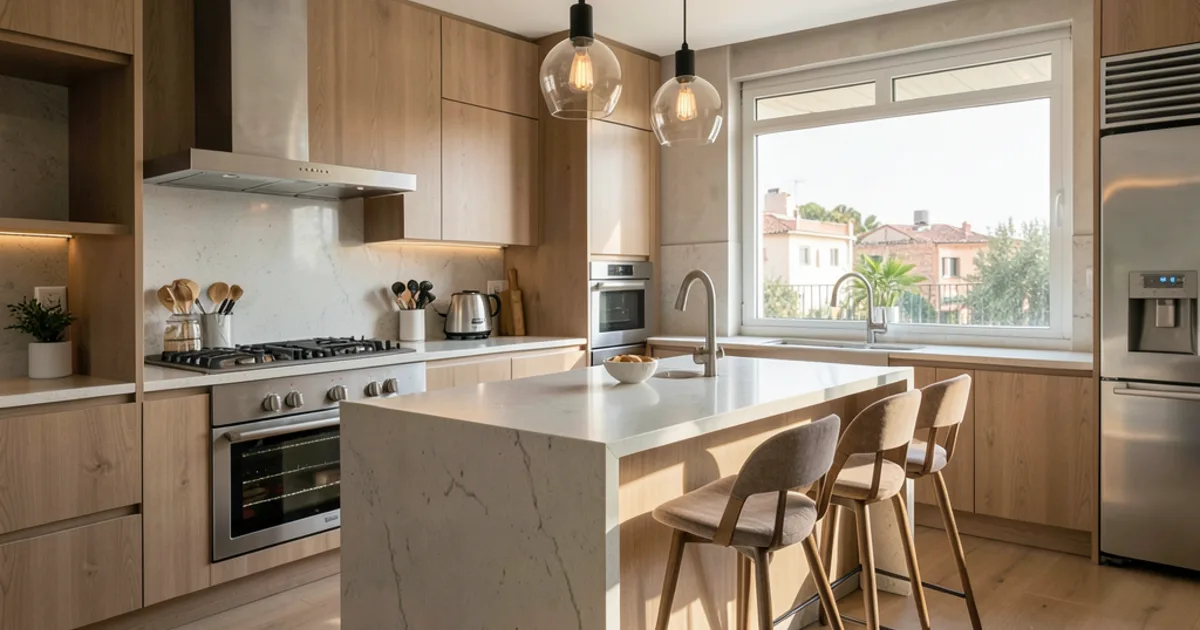
Moving your family, especially with young children, to a new city like Jerusalem presents a unique set of considerations. Beyond finding a house, you're seeking a home, a community where your children can thrive, where daily life is convenient, and where your family can integrate seamlessly. This comprehensive guide from JerusalemHomes, your trusted real estate advisor, delves into Jerusalem's most sought-after family-friendly neighborhoods, offering insights into their distinct characteristics, practical amenities, and suitability for families with young children. We'll explore the nuances of each area, helping you make an informed decision for your family's new chapter.
- Understanding Jerusalem's Unique Family-Friendly Landscape
- Baka: A Harmonious Blend of Old-World Charm and Modern Convenience
- Rehavia: Prestigious, Central, and Culturally Rich
- The German Colony: European Flair and Family Comfort
- Old Katamon (Gonen): Quiet Residential Charm with Community Focus
- Arnona: Suburban Comfort with Panoramic Views
- Navigating the Real Estate Process: Key Israeli Terms
- Educational Opportunities: Schools and Preschools
- Community Integration and Support Systems
- Practical Considerations for Daily Family Life
- Making Your Decision: A Tailored Approach
Understanding Jerusalem's Unique Family-Friendly Landscape
Jerusalem is a city of diverse communities, each with its own rhythm and character. For families relocating with young children, the 'best' neighborhood isn't just about the physical dwelling; it encompasses access to quality education, safe play areas, community support, and convenient services. The decision often hinges on balancing lifestyle preferences, religious observance levels, and practical logistics like commute times and proximity to family-friendly attractions.
When evaluating neighborhoods, consider the long-term vision for your family. Are you looking for a tight-knit community with a strong synagogue presence, or a more diverse, liberal environment? Do you prioritize walking distance to parks and playgrounds, or easy access to major transportation routes? These initial reflections will significantly narrow down your options and help you focus on areas that truly align with your family's values and needs.
Furthermore, Jerusalem's topography and urban planning mean that some neighborhoods offer a quieter, more suburban feel, while others are bustling and central. Understanding these geographical and atmospheric distinctions is crucial. We'll explore how these factors play out in specific areas, providing a nuanced perspective on what each neighborhood genuinely offers to relocating families.
Baka: A Harmonious Blend of Old-World Charm and Modern Convenience
Baka, often referred to as 'old Baka,' is a highly desirable neighborhood known for its tree-lined streets, historic stone homes, and a palpable sense of community. It attracts a diverse mix of families, including many English-speaking olim, drawn to its tranquil atmosphere while remaining relatively close to the city center. The neighborhood boasts beautiful parks and green spaces, making it ideal for young children to play outdoors safely.
Educationally, Baka offers access to a range of reputable preschools and elementary schools, catering to various educational philosophies and religious observances. Families often appreciate the ability to walk to local shops, cafes, and synagogues, fostering a strong sense of local engagement. The community is active, with numerous family-oriented events and activities, making it easier for newcomers to integrate and form connections.
While properties in Baka can be sought-after, the investment often reflects the quality of life and the enduring appeal of the neighborhood. Its blend of historic charm with modern family amenities provides a compelling proposition for those seeking a stable and enriching environment for their children. The architectural style, often featuring distinctive Jerusalem stone, adds to its unique character and desirability.
Living in Baka means embracing a lifestyle where neighborhood parks are an extension of your backyard, and community events are a regular part of life. Its relatively flat terrain in many parts also makes it stroller-friendly, a significant advantage for families with very young children. The atmosphere is generally relaxed and welcoming, a haven from the city's more intense pace.
- Tree-lined streets, historic architecture.
- Diverse, welcoming community with many English speakers.
- Good access to parks and local amenities.
- Variety of preschools and elementary schools.
Rehavia: Prestigious, Central, and Culturally Rich
Rehavia is one of Jerusalem's most prestigious and central neighborhoods, offering an upscale urban living experience. It's characterized by its elegant Bauhaus-style buildings, wide boulevards, and proximity to major cultural institutions, government offices, and the city center. For families, Rehavia provides unparalleled access to amenities, although its urban density means green spaces might be smaller or more dispersed compared to other areas.
The educational landscape in Rehavia is robust, with some of Jerusalem's most highly regarded schools and educational programs. This is a significant draw for families prioritizing academic excellence and access to diverse curriculum options. The neighborhood's central location also means shorter commutes to many workplaces, which can be a key factor for busy parents.
Community life in Rehavia is vibrant, albeit often more focused on intellectual and cultural pursuits. There are numerous synagogues, cultural centers, and upscale dining options. While less overtly 'suburban' than Baka or Arnona, Rehavia offers a sophisticated urban family life with excellent infrastructure and services. Finding larger family homes can be more challenging and competitive here, reflecting its prime location.
The convenience of Rehavia cannot be overstated. Everything from doctors' offices to specialty shops and public transportation hubs is often within easy walking distance. This high level of accessibility contributes to a quality of life where daily errands are streamlined, leaving more time for family activities and cultural exploration. Its central nature, however, also means a more bustling environment.
- Central location with excellent access to city amenities.
- Prestigious schools and educational institutions.
- Elegant architecture and cultural prominence.
- Vibrant urban community life.
The German Colony: European Flair and Family Comfort
The German Colony is renowned for its unique European character, stemming from its original Templar settlers. This neighborhood offers a charming blend of historic stone homes, often with gardens, and a lively commercial street, Emek Refaim Street, which is a hub of cafes, restaurants, and boutiques. It strikes a balance between urban vibrancy and a more relaxed, residential feel, making it highly attractive to families.
Families in the German Colony benefit from access to excellent educational institutions, including various preschools and elementary schools that cater to a diverse population. The neighborhood’s atmosphere is conducive to outdoor activities, with several parks and playgrounds, and its relatively flat terrain is ideal for families with strollers and young cyclists. The community is diverse, welcoming both religious and secular families, including a significant English-speaking contingent.
Emek Refaim Street serves as the neighborhood's heart, providing convenient access to daily necessities and leisure activities. This walkability is a major advantage for families, reducing reliance on cars for everyday errands. The blend of historic beauty, modern amenities, and a strong community spirit makes the German Colony a compelling choice for families seeking a high quality of life in Jerusalem.
The architectural style in the German Colony is distinct, often featuring houses with red-tiled roofs and lush gardens, offering a different aesthetic from other Jerusalem neighborhoods. This unique charm, combined with its family-friendly infrastructure, creates an environment where children can grow up in a visually appealing and stimulating setting. The sense of history is palpable, adding another layer of depth to daily life.
- Unique European architectural style.
- Vibrant Emek Refaim Street with shops and cafes.
- Diverse community, good schools and parks.
- Walkable and family-friendly environment.
Old Katamon (Gonen): Quiet Residential Charm with Community Focus
Old Katamon, also known as Gonen, offers a more subdued and residential atmosphere compared to its bustling neighbors. It is characterized by quiet, tree-lined streets, charming stone buildings, and a strong sense of community. This neighborhood is particularly popular with religious Zionist families and a growing number of English-speaking olim who appreciate its serene environment and close-knit feel.
For families with young children, Old Katamon provides an abundance of open spaces and playgrounds, making it easy for kids to enjoy outdoor play. The educational options are plentiful, with numerous religious and secular preschools and elementary schools within the neighborhood or close proximity. The community actively organizes events and activities, fostering a supportive network for families.
While Old Katamon is primarily residential, it benefits from its proximity to Emek Refaim Street in the German Colony for commercial needs and to the vibrant cultural scene of the city center. This allows residents to enjoy the tranquility of their neighborhood while having easy access to urban amenities. Property types range from apartments in older buildings to renovated family homes, offering various options.
The slower pace of life in Old Katamon is a significant draw for many families. It provides a sense of calm and safety, where children can often be seen playing outdoors and neighbors interact regularly. The strong community fabric means that new families often find it easier to integrate, with supportive networks readily available for everything from childcare to holiday celebrations.
- Quiet, residential streets with a serene atmosphere.
- Strong community feel, popular with religious Zionist families.
- Numerous parks and playgrounds for children.
- Good access to schools and community activities.
Arnona: Suburban Comfort with Panoramic Views
Arnona sits on the southeastern edge of Jerusalem, offering a more suburban feel with often stunning views of the Judean Desert and the Dead Sea. This neighborhood has seen significant development in recent years, featuring a mix of older, established homes and newer, modern apartment buildings. It appeals to families looking for more space, quieter streets, and a slightly less dense urban environment.
Families in Arnona benefit from a good selection of schools and kindergartens, often with larger outdoor spaces. The neighborhood is generally very family-friendly, with numerous playgrounds and community centers. While it might be a bit further from the absolute city center, excellent public transportation links ensure convenient access to other parts of Jerusalem. The sense of community is strong, with many young families residing here.
One of Arnona's key attractions is the potential for larger homes and more expansive gardens, which can be a significant advantage for families with multiple children or those desiring outdoor living space. The views alone can be a compelling reason for some, offering a unique connection to the breathtaking landscape surrounding Jerusalem. The area is also known for its welcoming atmosphere for new residents.
The demographic mix in Arnona is diverse, attracting both Israeli-born families and a growing number of olim, particularly from English-speaking countries. This blend contributes to a dynamic and inclusive community. The relative quietness and the presence of nature make it a peaceful retreat after a busy day, offering a high quality of life for those who prioritize space and tranquility.
- Suburban feel with potential for larger homes and gardens.
- Panoramic views of the Judean Desert.
- Good schools, kindergartens, and playgrounds.
- Strong community, increasingly popular with English-speaking olim.
Navigating the Real Estate Process: Key Israeli Terms
Relocating to Jerusalem involves understanding specific Israeli real estate terminology and procedures. One of the first steps after finding a suitable property is often the signing of a 'binding memorandum' (Zichron Devarim), which outlines the basic terms of the agreement before a formal contract. While often not legally binding in the same way as a full contract, it signifies serious intent and can carry legal weight.
When purchasing property, you'll encounter terms like 'Tabu' (Land Registry), which is the official government record of land ownership in Israel. Ensuring the property is properly registered in the Tabu is a critical step in verifying ownership and preventing future disputes. Your lawyer will be indispensable in navigating these legal intricacies, ensuring a smooth and secure transaction.
Financially, be prepared for 'Mas Rekhisha' (purchase tax), a progressive tax levied on property acquisitions, and potentially 'Mas Shevah' (capital gains tax) if you sell a property in the future. For financing, a 'Mashkanta' refers to a mortgage. Understanding these terms and their implications is vital for budgeting and financial planning during your relocation. It's advisable to consult with both a real estate lawyer and a financial advisor specializing in Israeli property.
The local property tax is called 'Arnona,' and it is paid to the municipality based on the size and type of your property. It's an ongoing expense that new residents should factor into their monthly budget. Additionally, many communities have 'Va'ad Bayit' (building committee) fees for maintenance of common areas in apartment buildings. Familiarizing yourself with these regular outlays will prevent surprises and help you plan your finances accurately.
Educational Opportunities: Schools and Preschools
Jerusalem offers a diverse range of educational options, from public religious (Mamadati Dati) and secular (Mamadati Klali) schools to private institutions and specialized programs. For families relocating, understanding the local school system is paramount. Many neighborhoods have excellent local schools, but some parents might opt for specific schools for their children based on curriculum, language of instruction, or religious orientation.
Preschools (ganim) in Israel typically start from age three, with some private options for younger children. These can vary significantly in their approach, from Montessori to more traditional methods, and in their language of instruction. It's highly recommended to research and visit potential schools and preschools well in advance of your move, as demand can be high in popular neighborhoods.
For English-speaking families, there are a number of international schools or schools with strong English-language programs. However, many families choose to integrate their children into the Israeli school system, which can be an excellent way for children to acquire Hebrew quickly and assimilate into Israeli society. Support systems, such as 'ulpan' (intensive Hebrew language courses) for children, are often available.
Beyond formal schooling, Jerusalem's neighborhoods offer a wealth of extracurricular activities, from sports clubs and art classes to youth movements. These opportunities play a crucial role in children's development and integration. Exploring these options alongside school choices will ensure a well-rounded and enriching experience for your children in their new home.
Community Integration and Support Systems
Relocating to a new country and city can be challenging, but Jerusalem boasts strong community support systems, especially for English-speaking olim. Many neighborhoods, particularly those favored by families, have active WhatsApp groups, community centers, and organizations dedicated to helping newcomers settle in. These networks can be invaluable for finding local services, making friends, and navigating daily life.
Joining a local synagogue or community center can be an excellent way to meet people and become involved. Many communities host regular events, holiday celebrations, and classes that are open to all residents. This proactive approach to integration can significantly ease the transition for both parents and children, fostering a sense of belonging much faster.
For children, participating in local youth movements (Tnuot Noar) or after-school clubs can provide instant friendships and a sense of routine. These activities are often deeply embedded in Israeli culture and offer a fantastic way for children to practice Hebrew and connect with their peers outside of school hours.
Don't underestimate the power of local parks and playgrounds as social hubs. Parents often connect while supervising their children, leading to playdates and new friendships. Jerusalem's family-friendly neighborhoods are designed to encourage this kind of organic community building, making it easier for relocating families to find their footing and build a supportive network.
Practical Considerations for Daily Family Life
Beyond schools and community, practical aspects of daily life significantly impact a family's comfort. Access to reliable public transportation, buses and the light rail, is crucial, especially if you plan to rely less on a private car. Many of Jerusalem's family-friendly neighborhoods are well-served by public transport, connecting them to the city center and other key areas.
Proximity to essential services like supermarkets, pharmacies, medical clinics (Kupat Cholim), and children's activity centers is another vital factor. A neighborhood that allows for easy access to these daily necessities can greatly reduce stress and improve the overall quality of family life. Consider how far you'll need to travel for routine appointments or grocery runs.
Safety and security are paramount for any family. Jerusalem is generally a very safe city, but each neighborhood has its own feel. The areas discussed in this guide are widely considered safe and welcoming for families. Visiting these neighborhoods at different times of day can give you a better sense of their atmosphere and how comfortable you feel there.
Finally, consider the availability of outdoor spaces. Parks, playgrounds, and even open fields for children to run and play are invaluable. Many of Jerusalem's older neighborhoods, like Baka and the German Colony, have integrated green spaces, while newer developments in areas like Arnona often include modern park facilities. These spaces are not just for play but also for community interaction and family time.
Making Your Decision: A Tailored Approach
Choosing the 'best' neighborhood is ultimately a personal decision that depends on your family's unique needs, preferences, and priorities. There is no one-size-fits-all answer. We encourage families to visit potential neighborhoods, spend time in their parks, observe the local schools, and even speak with residents to get a true feel for the area.
Consider creating a checklist of your family's non-negotiables and desirable features. This might include proximity to a specific school, walking distance to a synagogue, access to a large park, or a particular community vibe. Ranking these priorities will help you weigh the pros and cons of each neighborhood more effectively.
JerusalemHomes is here to assist you in this significant journey. Our expert team possesses deep knowledge of Jerusalem's diverse neighborhoods and the intricacies of its real estate market. We can provide personalized guidance, arrange property viewings, and connect you with trusted legal and financial professionals to ensure a seamless relocation experience.
Relocating your family to Jerusalem is an investment in a new lifestyle and a vibrant future. By carefully considering the insights provided for Baka, Rehavia, the German Colony, Old Katamon, and Arnona, and by leveraging expert advice, you can confidently choose the neighborhood that will truly become your family's cherished home in this extraordinary city.
FAQ
What is the average cost difference between renting and buying in Jerusalem's family-friendly neighborhoods?
The cost difference between renting and buying in Jerusalem can be substantial, with rental prices often reflecting a percentage of property value. Buying involves significant upfront costs like purchase tax and legal fees, while renting typically requires a deposit and monthly payments. Consulting a real estate professional for current market trends is advisable.
How easy is it for children to learn Hebrew if they start in an Israeli school without prior knowledge?
Children are remarkably adaptable, and most quickly pick up Hebrew in an immersive Israeli school environment. Many schools offer additional support for new immigrant children, and daily interaction with peers and teachers significantly accelerates language acquisition. Ulpan programs are also available for concentrated learning.
Are there specific resources for English-speaking families new to Jerusalem?
Yes, Jerusalem has numerous organizations and community groups specifically catering to English-speaking olim. These groups often provide resources on schooling, healthcare, employment, and social integration, offering valuable support networks for families during their transition. Online forums and local community centers are great starting points.
What are the typical property taxes and maintenance fees (Arnona, Va'ad Bayit) for a family home in these neighborhoods?
Arnona (municipal property tax) varies based on property size, location, and classification, so it's challenging to give specific figures without a precise address. Va'ad Bayit (building maintenance fees) are common in apartment buildings and cover shared expenses, also varying significantly by building size and amenities. It's crucial to inquire about these costs for any specific property of interest.
Get your personalised shortlist
Listings and up-to-date info, straight to your inbox, free, no obligation.
See Jerusalem homes →