What are the Aliyah benefits for buying a first home in Israel
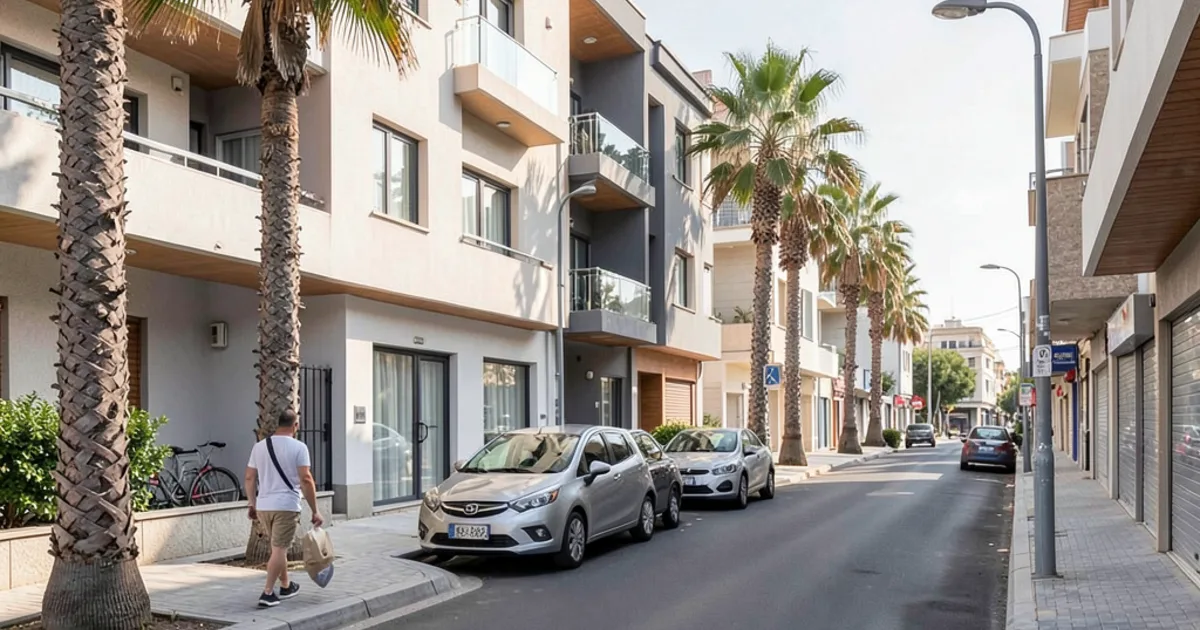
For many new Olim, the dream of owning a home in Israel is a central goal of their Aliyah journey. However, the Israeli real estate market can feel complex and intimidating to those unfamiliar with local customs and legal frameworks. Fortunately, the Israeli government offers several incentives and benefits specifically designed to assist new immigrants in establishing their roots. This guide explores the various financial advantages, tax considerations, and strategic steps you should take to navigate your first property purchase successfully.
- The Landscape of Aliyah and the Israeli Housing Market
- Understanding Mas Rekhisha (Purchase Tax) Exemptions for New Olim
- The Role of the Jewish Agency and the Ministry of Aliyah and Integration
- Securing a Mashkanta (Mortgage) as a New Resident
- The Importance of the Tabu and Legal Due Diligence
- Understanding Arnona and Local Municipal Costs
- Long-term Planning: Mas Shevah (Capital Gains Tax) Considerations
- Jerusalem Neighborhood Profiles for New Olim
- The Transition from Ulpan to Property Ownership
- Avoiding Common Mistakes in the Israeli Property Market
The Landscape of Aliyah and the Israeli Housing Market
Entering the Israeli real estate market as a new immigrant is a significant financial and emotional undertaking. The market is characterized by high demand and a unique set of local regulations that differ substantially from many Western countries. For Olim, the transition involves not just moving your life, but also learning how to navigate a system where property ownership is deeply tied to national identity and long-term stability. Understanding the nuances of this landscape is the first step toward making an informed decision.
The market is driven by various factors, including population growth, urban renewal projects, and a strong cultural emphasis on homeownership. While this can lead to competitive environments in desirable areas, it also creates opportunities for those who enter the market with proper preparation. Newcomers often find that while the initial costs can be high, the long-term stability of owning property in Israel offers a sense of security that is hard to replicate elsewhere. It is essential to view your first purchase not just as a transaction, but as a foundational piece of your new life.
Navigating this market requires a blend of local knowledge and professional guidance. From understanding how different neighborhoods in Jerusalem vary in character to knowing how to interact with the local municipality, there is a steep learning curve. Many Olim find that their initial research is heavily influenced by the desire to settle in established communities. However, balancing emotional preference with financial reality is a skill that will serve you well throughout your residency in Israel.
Understanding Mas Rekhisha (Purchase Tax) Exemptions for New Olim
One of the most immediate and impactful benefits available to new Olim is the relief provided through Mas Rekhisha, commonly known as purchase tax. This tax is levied on the buyer during the acquisition of real estate, and for many, it represents one of the largest upfront costs of the transaction. The Israeli tax authorities provide specific exemptions or reduced rates for individuals qualifying as first-time buyers, a category that many new immigrants fall into. These benefits are designed to lower the barrier to entry for those establishing their first permanent residence in the country.
It is important to note that these exemptions are typically structured around specific property value thresholds. Rather than a blanket exemption for all properties, the relief is often applied to the portion of the purchase price that falls within a certain range. If the property value exceeds these established limits, the buyer may still be required to pay tax on the excess amount. Therefore, it is vital to consult with a tax professional or a legal expert to calculate exactly how much tax you will owe based on the specific price of the home you are eyeing.
To qualify for these benefits, you must provide documented proof of your status as a new immigrant and demonstrate that this is indeed your first residential property purchase in Israel. This documentation is usually processed through the Ministry of Aliyah and Integration. Failing to declare your status correctly at the time of purchase can result in significant complications and unexpected tax bills later on. Being proactive about your documentation is a key component of a smooth real estate transaction.
- Verify your Aliyah status through official Ministry documentation.
- Confirm whether the property is classified as a primary residence or an investment.
- Calculate the tiered tax implications based on the property's purchase price.
- Ensure your legal representative is aware of your intent to claim exemptions.
The Role of the Jewish Agency and the Ministry of Aliyah and Integration
The process of Aliyah is supported by several public institutions, most notably the Jewish Agency (Sokhnut) and the Ministry of Aliyah and Integration. These organizations play a crucial role in the absorption process, providing various forms of assistance that can indirectly or directly impact your ability to purchase a home. While they may not always provide direct cash for a down payment, their programs are designed to help you achieve the financial stability necessary for such a major investment.
The Ministry of Aliyah and Integration offers various absorption baskets and support programs that help new immigrants settle in. These programs can assist with language acquisition through Ulpan, which is a vital step in understanding local contracts and communicating with banks. Furthermore, certain grants or subsidized housing programs may be available depending on your specific circumstances, such as your family size or your professional background. It is highly recommended to stay in close contact with your local absorption center to stay informed about these opportunities.
The Jewish Agency also works to facilitate the integration of new residents by providing information and resources that help navigate the complexities of Israeli life. This includes guidance on everything from employment to social services. By utilizing these institutional resources, you can build a stronger foundation in Israel, which in turn makes you a more attractive candidate for financial institutions when it comes time to secure a mortgage. Integration is a holistic process, and your housing stability is a major part of it.
Securing a Mashkanta (Mortgage) as a New Resident
A Mashkanta, or mortgage, is a fundamental tool for most homebuyers in Israel. However, securing one as a new immigrant can present unique challenges. Israeli banks typically look for a combination of a stable local income, a solid credit history, and a significant down payment. Since new Olim may not yet have a long-standing history of employment or credit in Israel, the initial mortgage application process can feel more rigorous than what you might have experienced in your home country.
To improve your chances of securing favorable mortgage terms, it is wise to begin building your financial profile as soon as you arrive. This involves establishing local bank accounts, paying utility bills on time, and demonstrating a consistent stream of income. While the lack of local credit history can be a hurdle, many banks have become more accustomed to working with Olim. They often look at your global financial standing and your potential for future income within the Israeli economy to assess your creditworthiness.
When applying for a Mashkanta, you should be prepared to provide an extensive list of documents. This will include proof of income, bank statements, and details regarding any existing debts or assets. It is also important to understand the different types of interest rates and repayment structures available in Israel. Some mortgages are fixed-rate, while others may be linked to inflation or other economic indicators. Understanding these nuances is essential to ensuring that your monthly payments remain manageable over the long term.
- Prepare a comprehensive folder of international and local financial documents.
- Aim for a substantial down payment to reduce the overall loan amount and interest risk.
- Research different mortgage structures, including fixed vs. variable rates.
- Consult with a mortgage specialist to understand how your Aliyah status affects lending.
The Importance of the Tabu and Legal Due Diligence
In Israel, the Tabu (the Land Registry) is the official authority that records property ownership and encumbrances. Before you commit any funds to a property, it is absolutely critical to verify that the seller is the rightful owner and that the property is free from any undisclosed liens, mortgages, or legal disputes. A thorough search of the Tabu registry is a standard and necessary part of the due diligence process. This step ensures that the title you are purchasing is clear and that your investment is legally protected.
The legal process of buying a home is governed by a document known as the binding memorandum (Hozay Ha'atan). This is the contract that outlines all the terms and conditions of the sale, including the price, the closing date, and any contingencies. Because this document is legally binding, it is vital that every detail is scrutinized. Many errors or omissions in this stage can lead to expensive legal battles later. You should never sign a memorandum without having it reviewed by a qualified Israeli lawyer.
A lawyer's role extends beyond just reviewing the contract; they act as your advocate throughout the entire transaction. They will coordinate with the seller's legal representative, ensure all taxes are correctly calculated, and oversee the transfer of funds. They also ensure that the registration in the Tabu is handled correctly. While hiring a lawyer is an additional cost, it is an indispensable investment that protects you from fraud, mismanagement, and unforeseen legal complications.
- Always request a current extract from the Tabu registry before proceeding.
- Never sign a binding memorandum without independent legal counsel.
- Ensure the contract clearly defines the condition of the property and any repairs needed.
- Verify that all municipal taxes and utility bills are settled by the seller.
Understanding Arnona and Local Municipal Costs
Once you have purchased your home, you will become responsible for various local costs, the most prominent being Arnona. Arnona is the municipal property tax used to fund local services such as garbage collection, street lighting, education, and local infrastructure. Unlike some other countries where property tax might be a small percentage of the home's value, Arnona is typically calculated based on the size of the property and its usage (residential vs. commercial).
The rate of Arnona can vary significantly from one municipality to another, and even between different neighborhoods within the same city. For instance, the Arnona in a central Jerusalem neighborhood might differ from that in a more suburban area. When you are scouting for homes, it is a good idea to ask about the local Arnona rates to ensure that your monthly budget can accommodate these recurring expenses. This is a crucial part of calculating the true cost of living in your new community.
In some cases, certain groups, including some Olim, may be eligible for discounts or exemptions on Arnona, though these are usually subject to strict income-based criteria. You should check with the local municipality to see if any such relief programs exist. Being aware of these municipal costs early on will help you avoid any surprises once you have officially moved into your new home and the billing cycle begins.
Long-term Planning: Mas Shevah (Capital Gains Tax) Considerations
As you look toward the future, it is important to consider the tax implications of eventually selling your property. This is where Mas Shevah, or capital gains tax, comes into play. In Israel, when you sell a residential property, you may be required to pay tax on the profit (the difference between the purchase price and the sale price). This is a significant factor to keep in mind if you are viewing your home as a long-term investment.
However, there is a major exemption available for individuals who are selling their only residential property. If the home you are buying is intended to be your primary residence, you may be able to avoid paying Mas Shevah upon its sale, provided certain conditions are met. This exemption is a powerful tool for wealth preservation and is one of the reasons why many people choose to invest in Israeli real estate. Understanding the rules surrounding this exemption is vital for your long-term financial planning.
It is worth noting that the rules regarding Mas Shevah can be complex, especially if you own multiple properties or if the property has undergone significant improvements. Keeping meticulous records of your purchase price, renovation costs, and any legal fees paid during the acquisition can be very helpful in reducing your taxable gain in the future. Always maintain a clear paper trail to support your claims when dealing with the tax authorities.
Jerusalem Neighborhood Profiles for New Olim
Jerusalem offers a diverse array of neighborhoods, each with its own unique atmosphere, demographic, and price point. For Olim, choosing the right neighborhood is a balance between lifestyle preferences and financial capacity. Some areas are known for their historic charm and central locations, while others offer a more modern, family-oriented environment. Understanding these distinctions can help you find a community where you will feel truly at home.
Areas like Baka and the German Colony are highly sought after for their leafy streets, walkable layouts, and vibrant community life. These neighborhoods often attract families and professionals who appreciate a blend of tradition and modern convenience. While these areas can be more expensive, they offer a high quality of life and are often very welcoming to newcomers. The proximity to parks and various amenities makes them ideal for those looking to settle quickly.
On the other hand, neighborhoods like Rehavia or Katamon offer a different kind of charm. Rehavia is known for its historic architecture and central location, often attracting academics and those who enjoy a more urban, sophisticated lifestyle. Katamon provides a mix of old-world character and a diverse, bustling atmosphere. Depending on your budget and your desire for a specific type of community, these neighborhoods can provide a wonderful foundation for your life in Jerusalem.
- Baka: Family-oriented, leafy, and highly walkable.
- German Colony: Upscale, central, and close to major cultural sites.
- Rehavia: Historic, academic, and centrally located.
- Katamon: Diverse, charming, and offering various price points.
The Transition from Ulpan to Property Ownership
The journey from arriving in Israel to owning a home is often marked by the period spent in Ulpan, the intensive Hebrew language program. While Ulpan is primarily focused on language, it is also a critical period for cultural and social integration. The skills you acquire in Ulpan will directly impact your ability to navigate the real estate market, from reading a contract to negotiating with a seller or a mortgage officer. Language is the key to autonomy in a new country.
During your time in Ulpan, you should also use the opportunity to build your local network. Engaging with other Olim and local community members can provide you with invaluable anecdotal advice and personal recommendations. While you should always rely on professional experts for legal and financial matters, the social connections you make during this period can help you understand the 'unwritten rules' of local neighborhoods and community life. This social capital is just as important as financial capital.
It is also a good time to begin your financial acclimatization. As you learn the language, you will also begin to understand the local economic terminology and the way financial institutions operate. This period of transition is not just about learning words; it is about learning how to function within the Israeli system. By the time you are ready to sign your first property contract, you should feel confident in your ability to communicate your needs and understand the terms being presented to you.
Avoiding Common Mistakes in the Israeli Property Market
Even with the best intentions, new Olim can fall into common pitfalls when purchasing property in Israel. One of the most frequent mistakes is rushing into a purchase without conducting thorough due diligence. The excitement of finding a beautiful home can sometimes cloud one's judgment, leading to the neglect of critical steps like checking the Tabu or hiring a lawyer. Remember that a property is a major financial commitment, and haste is rarely your friend in real estate.
Another common error is underestimating the ancillary costs associated with buying a home. Beyond the purchase price, you must account for Mas Rekhisha, legal fees, mortgage interest, and initial renovation or furniture costs. Many buyers find themselves stretched thin because they only budgeted for the property itself. Creating a comprehensive budget that includes these 'hidden' costs is essential for maintaining financial stability during the transition.
Finally, avoid relying solely on informal advice from friends or acquaintances when making significant legal or financial decisions. While well-meaning, their experiences may not be applicable to your specific situation. Always seek out qualified professionals, lawyers, tax advisors, and mortgage specialists, who have a fiduciary duty to provide you with accurate and expert guidance. Professional expertise is the best defense against the complexities of the Israeli market.
FAQ
What is the difference between Mas Rekhisha and Mas Shevah?
Mas Rekhisha is the purchase tax paid by the buyer when acquiring a property. Mas Shevah is the capital gains tax paid by the seller on the profit made from the sale of a property.
Can I get a mortgage if I don't have a job in Israel yet?
It is generally difficult to secure a Mashkanta without a local income history, as banks require proof of ability to repay. However, some banks may consider your international assets or existing income if you can provide sufficient documentation.
How does the Tabu registry protect my purchase?
The Tabu is the official land registry that confirms legal ownership. By checking the Tabu, you ensure the seller actually owns the property and that there are no hidden legal claims or debts against it.
Are there specific benefits for Olim in Jerusalem neighborhoods like Baka?
While there are no neighborhood-specific tax breaks, Olim may benefit from general government exemptions on purchase tax. Neighborhoods like Baka are popular due to their community structure, which can aid in social integration.
What documents should I prepare before meeting a lawyer?
You should prepare your identification, proof of Aliyah status from the Ministry, and any financial documents related to the property or your income. Having these ready will allow your lawyer to begin the due diligence process more efficiently.
Get your personalised shortlist
Listings and up-to-date info, straight to your inbox, free, no obligation.
See Jerusalem homes →