What are the best neighborhoods in Jerusalem for young professional couples seeking a vibrant social scene and public transport?
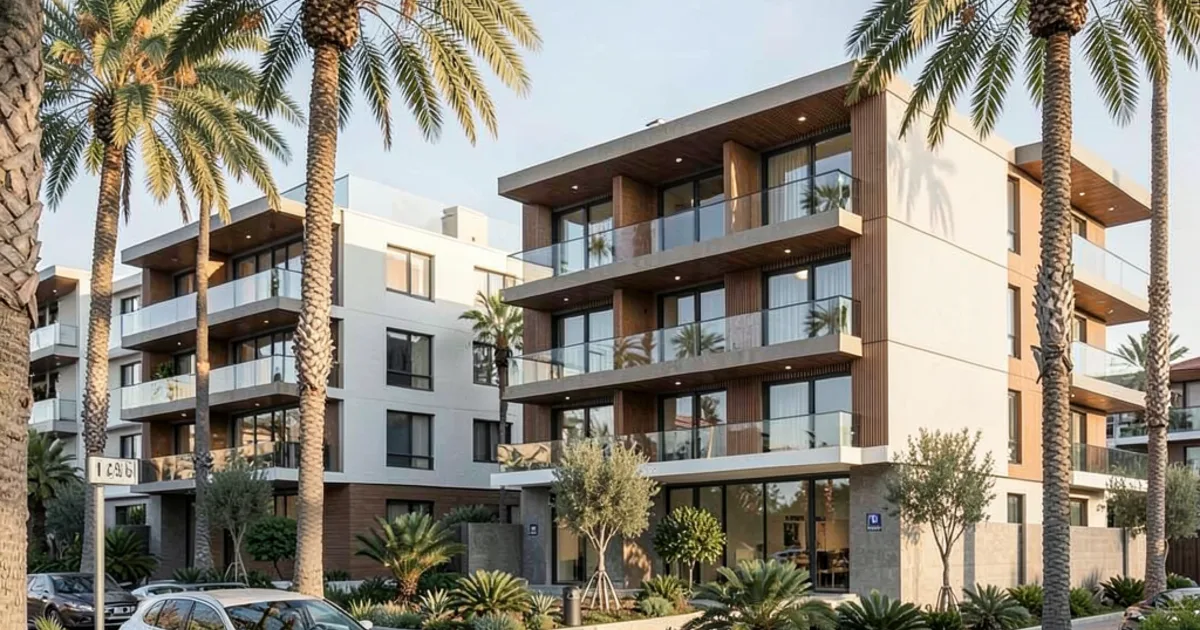
For the modern young professional, choosing a home in Jerusalem is about much more than just finding four walls and a roof. It is about selecting a lifestyle that integrates career ambitions with a rich, social, and culturally stimulating environment. In a city as layered as Jerusalem, the right neighborhood can mean the difference between a stressful commute and a seamless transition from the office to a vibrant café or social gathering. This guide explores the premier neighborhoods that offer the ideal trifecta of social energy, professional connectivity, and efficient public transport.
- The Strategic Importance of Location for Jerusalem Professionals
- Baka: The Preferred Hub for International Professionals
- Rehavia: Intellectual Sophistication and Urban Centrality
- The German Colony: Where Sophistication Meets Social Energy
- Katamon: The Heart of Jerusalem’s Cultural Soul
- Arnona: A Balance of Prestige and Peace
- Navigating the Legalities: Tabu and Binding Memorandums
- Managing the Financials: Mas Rekhisha and Mashkanta
- Ongoing Costs: Arnona and Mas Shevah
- Settling In: Ulpan and Community Integration
- Final Thoughts on Making Your Move
The Strategic Importance of Location for Jerusalem Professionals
In the context of Jerusalem's unique urban layout, location is the single most important factor for a young professional. Unlike cities designed around a central business district, Jerusalem is a collection of distinct, character-filled pockets, each with its own rhythm and accessibility. For those working in tech, law, medicine, or academia, being positioned near major transport arteries is not just a convenience; it is a necessity for maintaining a work-life balance.
Public transport, particularly the expanding Light Rail network and the extensive bus system, serves as the lifeblood of the city. A neighborhood that offers easy access to these lines allows you to bypass the complexities of Jerusalem's notorious traffic and parking challenges. For a young couple, this means more time spent enjoying the city and less time navigating the frustrations of urban congestion.
Furthermore, the concept of the 'third space', the cafes, parks, and community hubs that exist between work and home, is vital. Young professionals often seek neighborhoods where these spaces are within walking distance. This proximity fosters a sense of community and provides an organic way to meet peers, making the transition to life in Israel much smoother and more socially rewarding.
Ultimately, the goal is to find a residence that acts as a launchpad for your professional life while serving as a sanctuary for your social life. We will examine several neighborhoods that excel in these specific areas, helping you make an informed decision based on your personal priorities.
- Proximity to the Light Rail (LR) network
- Walkability to local amenities and cafes
- Ease of access to major employment hubs
- Availability of 'third spaces' for social interaction
Baka: The Preferred Hub for International Professionals
Baka has emerged as one of the most sought-after neighborhoods for English-speaking professionals and international residents. The area is characterized by its leafy streets, a relaxed yet sophisticated atmosphere, and a high concentration of diverse, upwardly mobile individuals. It offers a unique blend of old-world Jerusalem charm and a modern, cosmopolitan lifestyle that is hard to replicate elsewhere.
The social scene in Baka is centered around its vibrant café culture and local boutiques. Whether you are looking for a quiet corner to work on a laptop or a lively spot for a weekend brunch, Baka delivers. The neighborhood's social fabric is woven through its parks and community spaces, making it incredibly easy to build a social circle of like-minded professionals.
From a transport perspective, Baka is exceptionally well-connected. Its proximity to the Light Rail makes commuting to the city center or the northern business districts remarkably efficient. This connectivity allows residents to enjoy a quieter, more residential lifestyle without sacrificing the ability to move quickly through the city when required.
While demand in Baka is consistently high, the variety of housing, ranging from renovated stone houses to modern apartments, provides options for different stages of professional life. It is an area where you can truly feel 'at home' within a global community.
- High concentration of English-speaking residents
- Exceptional café and boutique culture
- Direct access to the Light Rail network
- Strong sense of community and walkability
Rehavia: Intellectual Sophistication and Urban Centrality
Rehavia is widely regarded as one of Jerusalem's most prestigious and intellectually stimulating neighborhoods. Historically home to academics, diplomats, and professionals, it maintains an aura of sophistication and quiet elegance. For the young professional who values culture, history, and a central location, Rehavia is often the first choice.
The neighborhood's social life is understated but deeply rich. Instead of loud nightlife, you will find high-end bookstores, artisanal bakeries, and quiet, upscale bistros. It is a place where social interaction often happens over a thoughtful coffee or a walk through the historic streets, making it ideal for those who prefer a more refined social environment.
Connectivity in Rehavia is unparalleled due to its central location. It sits at the heart of many of the city's primary bus routes and is within walking distance of several key institutions and commercial hubs. This makes it an excellent choice for professionals who want to minimize travel time and maximize their presence in the city's core.
However, potential residents should be aware that the demand for Rehavia often leads to higher property values and more competitive real estate markets. The architectural character of the area is also strictly protected, meaning you will mostly find beautiful, historic buildings that require careful consideration regarding modern amenities.
- Prestige and academic atmosphere
- Centralized access to city-wide transport
- Refined and sophisticated social scene
- High density of cultural and historical landmarks
The German Colony: Where Sophistication Meets Social Energy
If your priority is a vibrant, high-energy social scene, the German Colony is arguably the most exciting neighborhood in Jerusalem. Known for its stunning historic architecture and upscale atmosphere, this area has transformed into a premier destination for dining, nightlife, and social gathering. It offers a lifestyle that is both glamorous and deeply rooted in the city's history.
The social pulse of the German Colony is felt on its main thoroughfares, where restaurants, bars, and boutiques line the streets. It is a place where you can transition seamlessly from a professional meeting to a high-end dinner or a lively evening out. For young professionals who enjoy being at the center of the action, there is no better location.
In terms of transport, the German Colony is highly accessible, benefiting from its proximity to major transit hubs and its integration into the city's central movement corridors. While the area is dense, the ease of getting in and out of the neighborhood via public transport makes it a viable option for those who do not wish to rely heavily on a private vehicle.
Living in the German Colony means embracing a lifestyle of convenience and excitement. While the property market here can be quite premium, the lifestyle benefits of being in one of Jerusalem's most iconic and socially active districts are significant.
- Premier dining and nightlife destination
- Stunning historic German-era architecture
- High social energy and cosmopolitan vibe
- Excellent connectivity to central transport hubs
Katamon: The Heart of Jerusalem’s Cultural Soul
Katamon offers a different kind of charm, characterized by its bohemian spirit and hilly, winding streets. It is a neighborhood that feels deeply authentic, blending traditional Jerusalem stone architecture with a creative and diverse population. For young professionals seeking a sense of character and a more 'organic' social scene, Katamon is an exceptional choice.
The social life in Katamon is decentralized and community-oriented. You will find small, family-run cafes, local art galleries, and hidden gems tucked away in the side streets. It is a neighborhood that rewards exploration, offering a social experience that feels more personal and less curated than the more upscale districts.
Public transport in Katamon is robust, with numerous bus lines servicing the area and connecting residents to the rest of the city. While it may not have the same direct Light Rail presence as Baka, the frequency and reliability of the bus network ensure that commuting remains manageable and efficient.
Katamon's appeal lies in its ability to offer a sense of belonging. It is a neighborhood where people know their neighbors, and where the social scene is built on genuine community interaction, making it a perfect landing spot for those looking to integrate into the local culture.
- Bohemian and creative atmosphere
- Authentic and community-focused social scene
- Rich architectural character
- Strong bus network connectivity
Arnona: A Balance of Prestige and Peace
For young professionals who desire a bit more space and a quieter environment without sacrificing connectivity, Arnona is a compelling option. This neighborhood is known for its more spacious residential feel and its reputation as an upscale, tranquil area. It attracts established professionals who value privacy and a higher quality of life.
While Arnona is more residential and less 'bustling' than the German Colony or Baka, it still offers a high standard of living. The social scene here is more private, often centered around community events, local parks, and high-quality residential amenities. It is a place for those who prefer a peaceful retreat at the end of a busy workday.
Despite its quieter nature, Arnona remains well-connected to the rest of Jerusalem. The neighborhood is serviced by reliable public transport routes that link residents to the city's main commercial and cultural centers. This allows for a lifestyle that balances the tranquility of a suburban feel with the accessibility of urban living.
Investing in Arnona often provides a sense of long-term stability. The neighborhood's demographic and its well-planned layout make it a highly desirable area for those looking for a sophisticated home that offers both prestige and peace.
- Tranquil and upscale residential environment
- More spacious housing options
- Reliable connection to central city hubs
- Ideal for those seeking privacy and quiet
Navigating the Legalities: Tabu and Binding Memorandums
Entering the Jerusalem real estate market requires a clear understanding of the legal framework. The first step in any property transaction is verifying the ownership through the *Tabu* (the Israeli Land Registry). It is essential to ensure that the seller has a clear title and that there are no undisclosed liens or encumbrances on the property that could complicate your ownership.
Once you have identified a property, the next critical stage is the signing of the *Binding Memorandum*, known in Hebrew as a *Zichron Din*. This document is a legally binding agreement that outlines the fundamental terms of the sale, including the price, the closing date, and any specific conditions. It is vital to have a qualified lawyer review this document before you sign, as it forms the foundation of your legal rights.
The role of a specialized real estate attorney cannot be overstated. They will guide you through the complexities of the contract, ensure that all due diligence is performed, and protect your interests throughout the negotiation process. In a market as nuanced as Israel's, professional legal guidance is a non-negotiable component of a successful purchase.
Failing to properly vet the legal status of a property can lead to significant complications down the line. Therefore, always prioritize thoroughness over speed when dealing with the *Tabu* and the initial binding agreements.
- Verify ownership via the Tabu registry
- Execute a legally binding Zichron Din
- Engage a specialized real estate attorney
- Perform comprehensive due diligence
Managing the Financials: Mas Rekhisha and Mashkanta
Understanding the financial implications of buying property in Jerusalem is crucial for long-term planning. One of the most significant costs is *Mas Rekhisha* (Purchase Tax). This tax is calculated based on the purchase price and your status as a buyer (e.g., whether it is your first home), and it can represent a substantial portion of your initial transaction costs.
For most young professionals, securing a *Mashkanta* (mortgage) is a standard part of the acquisition process. The Israeli mortgage market offers various structures, but it is important to understand the implications of fixed versus variable interest rates. Negotiating with banks and understanding the long-term impact of your mortgage terms is essential for maintaining financial health.
In addition to the purchase price and tax, you must budget for various closing costs, including legal fees, agency commissions, and potential renovation expenses. It is wise to maintain a financial buffer to account for these additional requirements, ensuring that your transition into your new home is as smooth as possible.
A well-structured financial plan that accounts for both the immediate costs of the *Mashkanta* and the ongoing obligations of property ownership will provide you with the confidence to navigate the Jerusalem real estate market effectively.
- Calculate Mas Rekhisha based on buyer status
- Evaluate Mashkanta (mortgage) structures
- Budget for legal and agency fees
- Plan for renovation and closing costs
Ongoing Costs: Arnona and Mas Shevah
Ownership in Jerusalem comes with ongoing municipal responsibilities, the most prominent being *Arnona* (municipal tax). *Arnona* is calculated based on the size and location of the property, and it is a recurring cost that must be factored into your monthly budget. Rates can vary significantly between neighborhoods, with more central or premium areas often commanding higher taxes.
Another critical financial consideration for property owners is *Mas Shevah* (Capital Gains Tax). This tax is levied when you eventually sell your property, based on the appreciation in value from the time of purchase. Understanding how *Mas Shevah* works is vital for long-term investment planning and for understanding your true return on investment.
Beyond taxes, you should also account for building management fees (*Dmei Nihul*), which cover the maintenance of common areas, security, and shared services in apartment buildings. In many of the more modern or upscale neighborhoods, these fees can be a significant part of your monthly expenditure.
By maintaining a clear view of both your immediate municipal obligations and your long-term tax liabilities, you can manage your property as a successful and sustainable asset.
- Account for recurring Arnona (municipal tax)
- Understand Mas Shevah (capital gains) implications
- Budget for building management fees
- Factor in neighborhood-specific tax variations
Settling In: Ulpan and Community Integration
Moving to a new city and country is a significant life transition, and integrating into the local culture is key to long-term happiness. For many professionals, enrolling in an *Ulpan* (Hebrew language school) is one of the most effective ways to facilitate this integration. Proficiency in Hebrew not only aids in daily life but also opens doors to deeper professional and social opportunities.
Beyond language, building a social network is essential. Jerusalem is a city of many small communities, and finding your 'tribe' often requires active participation in local groups, professional networks, or community-based organizations. Whether it is through a professional association or a local hobby group, intentionality in your social life will pay dividends.
Navigating the local bureaucracy can sometimes be challenging for newcomers. Embrigating the local way of doing things, and learning the specific terminology used in real estate, banking, and municipal services, will reduce friction and help you feel more in control of your new environment.
The transition may take time, but by focusing on both linguistic competence and community engagement, you will find that the vibrant, multi-layered life of Jerusalem becomes much more accessible and rewarding.
- Prioritize Hebrew learning through Ulpan
- Actively seek out professional and social networks
- Learn local terminology and bureaucratic norms
- Focus on intentional community integration
Final Thoughts on Making Your Move
Choosing the right neighborhood in Jerusalem is a deeply personal decision that should reflect your unique professional goals and lifestyle preferences. Whether you are drawn to the international energy of Baka, the intellectual prestige of Rehavia, or the social vibrancy of the German Colony, there is a corner of this city that will feel like home.
We recommend visiting your shortlisted neighborhoods at different times of the day and week. Experience the morning commute, the afternoon cafe scene, and the evening social atmosphere to truly understand the rhythm of the area. This hands-on approach will provide insights that no guide or website can replicate.
Remember that real estate in Jerusalem is as much about the community as it is about the property. By balancing your desire for transport connectivity and social life with a sound understanding of the legal and financial landscape, you are setting yourself up for a successful and fulfilling chapter in Israel's capital.
Jerusalem is a city that rewards those who engage with it deeply. Once you find your place, you will find that the city offers a richness of experience that is truly unparalleled.
FAQ
How does proximity to the Light Rail affect property values?
Properties located within walking distance of Light Rail stations often command a premium due to the increased convenience and connectivity they offer. This accessibility makes them highly desirable for both residents and investors, often leading to more stable long-term value.
Get your personalised shortlist
Listings and up-to-date info, straight to your inbox, free, no obligation.
See Jerusalem homes →