Living in the German Colony: What is it like for expats
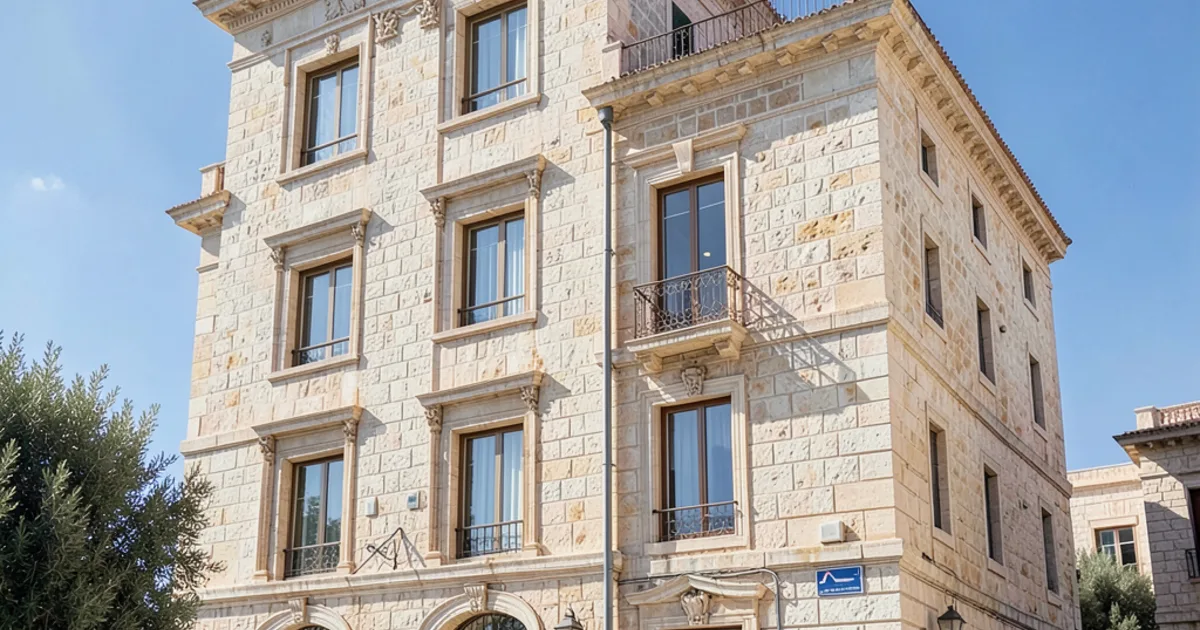
For many international residents, finding the perfect neighborhood in Jerusalem is a delicate balance of history, convenience, and social connection. The German Colony, known in Hebrew as HaMoshava HaGermanit, stands as one of the city's most distinctive and sought-after enclaves. It offers a unique blend of European-style architecture and Middle Eastern vibrancy that is difficult to replicate in any other part of the city.
- What is the historical significance of the German Colony?
- What is the daily atmosphere like for residents?
- How does the neighborhood connect to the rest of Jerusalem?
- What kind of real estate options are available?
- What should expats know about the local community?
- How does the property purchasing process work in Israel?
- What are the primary financial responsibilities of a homeowner?
- What are the practical challenges of living in this area?
- How does the German Colony compare to other popular neighborhoods?
- How can new residents successfully integrate into the area?
What is the historical significance of the German Colony?
The German Colony was established in the late 19th century by the Templers, a group of German Christians who sought to build a model community in the Holy Land. This historical foundation is still visible today in the unique architectural style of the neighborhood. Unlike the dense, stone-clad structures found in many other parts of Jerusalem, the Colony features wide streets and houses designed with a European sensibility, often incorporating red-tiled roofs and spacious gardens.
As the neighborhood evolved, it transitioned from a secluded religious settlement into a prestigious residential area. This evolution has left a lasting imprint on the urban fabric, creating a sense of timelessness that attracts residents looking for character. The historical layout provides a sense of order and openness that is quite rare in the more labyrinthine streets of the Old City or the crowded central districts.
Today, the area is recognized as a protected historical zone, which means the aesthetic integrity of the neighborhood is maintained by the municipality. For expats, this means living in a place that feels both deeply rooted in the past and elegantly preserved. The preservation of these stone houses adds a layer of prestige and cultural depth to the living experience, making every walk through the neighborhood feel like a journey through history.
- Templer-era architectural influence
- Preservation of wide, tree-lined streets
- Transition from religious colony to upscale residential hub
What is the daily atmosphere like for residents?
Living in the German Colony offers a lifestyle that is both energetic and sophisticated. The neighborhood is famous for its café culture, where the sidewalks are often lined with outdoor seating, creating a social atmosphere that is perfect for people-watching. On any given afternoon, you will find a mix of locals, tourists, and international residents enjoying coffee, making the neighborhood feel alive and socially connected.
Despite this vibrancy, the residential side streets offer a surprising amount of tranquility. Once you move away from the main thoroughfares, the atmosphere shifts toward a quiet, leafy sanctuary. This duality is one of the primary reasons why the area is so popular; you can enjoy the excitement of a bustling dining scene just minutes away from the peace of a private garden or a quiet balcony.
The rhythm of life here is influenced by the proximity to both the secular and religious sectors of Jerusalem. While the neighborhood itself is largely secular and cosmopolitan, its location near the Old City means that the spiritual and cultural pulse of Jerusalem is always felt. This creates a unique atmosphere where modern lifestyle amenities coexist seamlessly with deep-seated historical traditions.
- Vibrant café and dining culture
- Quiet residential pockets for tranquility
- A cosmopolitan and social daily rhythm
How does the neighborhood connect to the rest of Jerusalem?
One of the greatest advantages of the German Colony is its strategic location within the city. It serves as a bridge between several key areas, providing easy access to both the Old City and the modern commercial centers. For residents, this means that the cultural heart of Jerusalem is never far away, allowing for easy walks to historic sites or religious landmarks.
In terms of modern transit, the neighborhood is well-served by Jerusalem's public transportation networks. While many residents prefer to walk or use bicycles due to the neighborhood's layout, the proximity to major bus lines makes commuting to other areas like Rehavia, Baka, or even the central business districts quite manageable. This connectivity is essential for expats who may not yet be fully integrated into the local driving culture.
The neighborhood also provides a sense of 'neighborhood identity' that is distinct from the surrounding areas. While it is close to the bustling energy of Ben Yehuda Street, it maintains its own specific character. This allows residents to feel part of the larger Jerusalem ecosystem while still enjoying the feeling of living in a specialized, high-end enclave.
- Proximity to the Old City walls
- Access to major Jerusalem bus lines
- Easy connectivity to Baka and Rehavia
What kind of real estate options are available?
The real estate landscape in the German Colony is diverse, catering to different tastes and budgets. The most sought-after properties are the renovated historic stone houses, which offer immense character, high ceilings, and often include private courtyard spaces. These homes are considered premium assets and are highly prized for their unique aesthetic and historical value.
For those looking for more contemporary living, there are several newer apartment buildings and developments within the area. These modern units often provide amenities that are harder to find in older structures, such as underground parking, elevators, and more efficient climate control systems. This variety allows residents to choose between the charm of the past and the convenience of modern construction.
It is important to note that the real estate market here is highly competitive. Because the neighborhood is a finite space with a limited number of available properties, demand often exceeds supply. Whether you are looking to rent a smaller apartment or purchase a large family home, being prepared and understanding the specific nuances of the local market is essential.
- Renovated historic stone houses
- Modern apartment complexes with contemporary amenities
- High demand due to limited inventory
What should expats know about the local community?
The German Colony is known for having a strong and welcoming international presence. A significant number of English-speaking expats call this neighborhood home, which creates a sense of familiarity for those moving from abroad. This community provides a vital social network, making it easier to navigate the cultural nuances of living in Israel.
Social life in the neighborhood often revolves around local hubs, such as parks, cafes, and community events. Because the area is relatively compact and walkable, it is easy to build relationships with neighbors and fellow residents. This social cohesion is a major draw for expatriates who may be looking for a sense of belonging in a new country.
While the community is international, it is also deeply integrated into the wider Israeli fabric. You will find a mix of various nationalities, religious backgrounds, and professional sectors. This diversity enriches the local culture and ensures that the neighborhood remains a dynamic and evolving part of Jerusalem rather than an isolated expat bubble.
- Strong English-speaking community
- Socially active and walkable environment
- Diverse mix of international and local residents
How does the property purchasing process work in Israel?
Purchasing property in Israel involves a specific legal and administrative sequence that requires careful attention. The process begins with a thorough verification of the property's status in the Tabu land registry. The Tabu is the official government record, and ensuring that the title is clear and that there are no undisclosed liens is a critical step in protecting your investment.
Once a buyer and seller reach an agreement, the next major milestone is the signing of a binding memorandum. This document is the formal contract that outlines the purchase price, the payment schedule, and all the terms and conditions of the sale. It is highly recommended to have a local lawyer draft and review this document to ensure all legal protections are in place for the buyer.
Throughout the transaction, you will encounter several regulatory requirements. It is essential to work with a qualified notary to certify documents and ensure the legal transfer of ownership is recorded correctly. Navigating these steps requires patience and a clear understanding of the local legal standards to avoid any delays in the handover of the property.
- Verification through the Tabu land registry
- Drafting a binding memorandum (contract)
- Engagement of a local lawyer and notary
What are the primary financial responsibilities of a homeowner?
Owning property in the German Colony comes with several recurring financial obligations. One of the most important is the Arnona, which is the municipal property tax collected by the Jerusalem municipality. The rate of Arnona is typically determined by the type of property (residential vs. commercial) and its location, and it is a mandatory expense for all residents.
If you are financing your purchase, you will need to manage a Mashkanta, which is the Israeli term for a mortgage. Obtaining a mortgage in Israel involves a rigorous process of credit assessment and collateral verification. It is wise to compare different banking options and understand the long-term implications of interest rates and repayment terms before committing to a loan.
In addition to municipal taxes and mortgage payments, homeowners must also account for property maintenance and communal fees. In many of the more modern or managed buildings, there may be monthly fees for services such as elevator maintenance, cleaning of common areas, and security. Budgeting for these costs is essential for maintaining a stable lifestyle in the neighborhood.
- Payment of municipal Arnona tax
- Managing a Mashkanta (mortgage)
- Ongoing property maintenance and communal fees
What are the practical challenges of living in this area?
While the German Colony offers many benefits, there are practical challenges that residents must navigate. One of the most prominent issues is parking. Because the neighborhood was designed in an era before mass car ownership, the streets are narrow and parking spaces are often limited. This can make daily logistics, such as grocery shopping or hosting guests, somewhat challenging.
The lively atmosphere can also lead to noise considerations. The proximity to popular cafes and restaurants means that on weekend evenings or during festive periods, the streets can become quite bustling. While many residents enjoy this energy, those who prefer absolute silence may need to look for properties located on the quieter side streets or those with better sound insulation.
The hilly terrain of Jerusalem is also a factor to consider. While the neighborhood is very walkable, the inclines can be significant. For residents with mobility concerns or those who rely heavily on walking for daily errands, the physical layout of the streets is something to keep in mind when choosing a specific location or type of housing.
- Limited street parking availability
- Potential for noise from social hubs
- Hilly terrain affecting walkability
How does the German Colony compare to other popular neighborhoods?
When comparing the German Colony to other popular Jerusalem neighborhoods like Baka or Rehavia, the differences in atmosphere are quite distinct. Baka offers a similarly leafy and family-oriented vibe but often feels more suburban and sprawling. Rehavia, on the other hand, is known for its academic and professional atmosphere, featuring a high density of large, stately stone buildings and a slightly more formal tone.
The German Colony stands out due to its unique blend of historical Templer architecture and its highly social, 'café-centric' street life. While Katamon offers a more diverse mix of old and new styles and a very vibrant, eclectic energy, the Colony maintains a more consistent, European-inspired aesthetic. Each neighborhood has its own 'personality,' and the choice often depends on whether one seeks social bustle or quiet residential prestige.
For expats, the decision often comes down to the level of international community and the specific type of housing preferred. The German Colony is often seen as the 'middle ground', offering the prestige of Rehavia and the social vibrancy of Baka, but with a more concentrated, historical charm that is unique to its specific streets.
- Comparison with Baka (family-oriented/suburban)
- Comparison with Rehavia (academic/formal)
- Comparison with Katamon (eclectic/vibrant)
How can new residents successfully integrate into the area?
Successful integration into the German Colony begins with engaging with the local culture and language. Even for English speakers, learning basic Hebrew is an invaluable tool for daily interactions, from grocery shopping to communicating with municipal services. Enrolling in a local Ulpan (Hebrew language school) is a common and highly effective way for many expats to start this journey.
Beyond language, participating in the neighborhood's social life is key to feeling at home. Frequent the local cafes, attend community events, and join local interest groups. The neighborhood's walkable nature makes it easy to run into neighbors, and these casual interactions are often the foundation of long-term friendships in Jerusalem.
Finally, understanding the local customs and the rhythm of the Jewish calendar will help you navigate life more smoothly. Jerusalem operates on a different schedule during Shabbat and various holidays, and being aware of these shifts in activity and commerce is essential for a seamless transition. Embracing these local rhythms will help you move from being a visitor to being a true resident.
- Learning Hebrew through local Ulpan
- Active participation in local social hubs
- Understanding the local religious and cultural calendar
FAQ
Is it easy to find parking in the German Colony?
Parking can be quite challenging due to the narrow, historic streets and high demand. Many residents rely on public transportation, bicycles, or apply for municipal resident parking permits to help manage the limited space.
Is the neighborhood considered safe for expats?
The German Colony is generally considered a safe and very popular area for both locals and international residents. Like any urban center, it is always wise to practice standard urban awareness, but the neighborhood maintains a very stable and community-oriented atmosphere.
How does the cost of living compare to Tel Aviv?
While the German Colony is a premium neighborhood in Jerusalem, housing and daily expenses are often more manageable than in Tel Aviv. Many residents find that they can enjoy a high quality of life without the extreme price points found in Israel's coastal commercial hub.
Can I find English-speaking services in the area?
Yes, because of the large international and Anglo community, you will find many services, from medical professionals to legal advisors, who are fluent in English. This makes the transition much smoother for those who are not yet fully proficient in Hebrew.
Get your personalised shortlist
Listings and up-to-date info, straight to your inbox, free, no obligation.
See Jerusalem homes →