Katamon vs Baka: Which neighborhood is best for young families
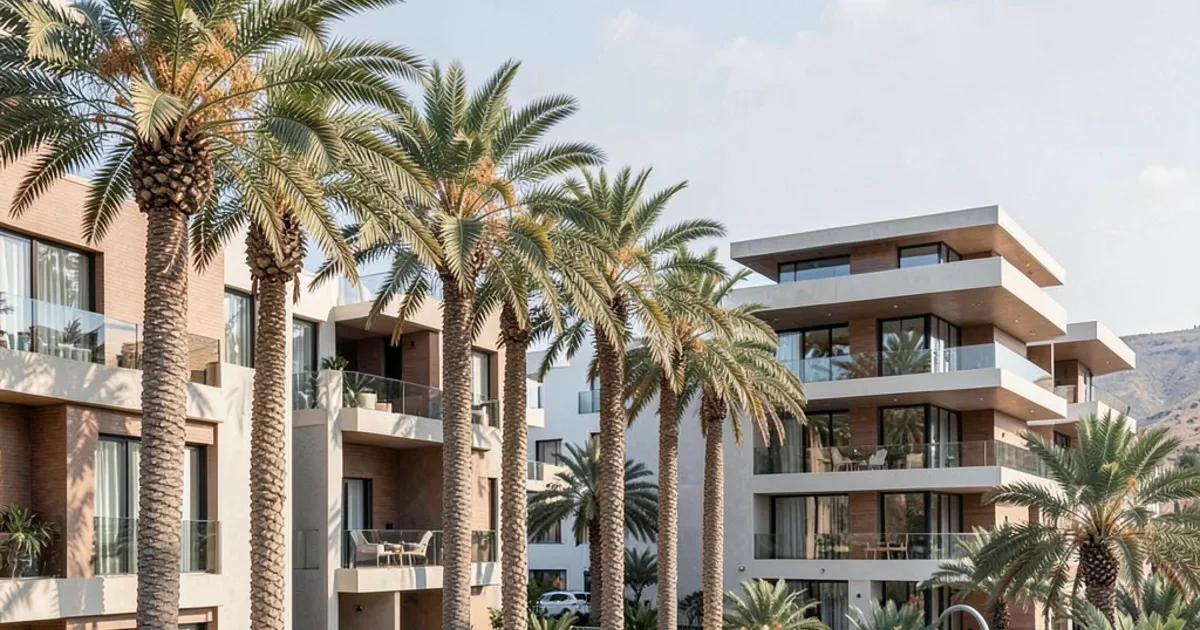
Navigating the Jerusalem real estate market can feel overwhelming, especially when you are trying to balance lifestyle needs with long-term investment goals. For many English-speaking families and Olim, the choice often narrows down to two of the city's most beloved neighborhoods: Baka and Katamon. While they share a certain prestige, the day-to-day experience of living in each is strikingly different. This guide provides a deep dive into the nuances of both areas to help you decide which one truly feels like home.
- The Essence of the Neighborhood Choice
- Baka: The Serene Haven for English-Speaking Families
- Katamon: The Dynamic Heart of Jerusalem Living
- Greenery and Outdoor Play: Where Will the Kids Run?
- Educational Landscapes: Schools, Ulpans, and Childcare
- Social Fabric and Community Dynamics
- The Real Estate Process: Navigating the Purchase
- Lifestyle and Amenities: Daily Life in the City
- Logistics and Accessibility: Navigating the Jerusalem Hills
- Long-term Investment: Resale Value and Property Growth
- Municipal Costs and Taxes: Understanding Arnona
- Final Verdict: Which Neighborhood Suits Your Family?
The Essence of the Neighborhood Choice
Selecting a neighborhood in Jerusalem is about much more than just finding a roof over your head; it is about choosing a community and a way of life. For young families, the decision involves weighing the proximity to parks against the convenience of local shops and the social makeup of the streets. You are not just buying an apartment; you are investing in the environment where your children will grow up and where you will build your social network.
Baka and Katamon represent two different interpretations of Jerusalem's urban charm. One offers a sense of a quiet, leafy village tucked within the city, while the other offers a more dynamic, bustling, and diverse urban experience. Understanding these subtle differences is the first step in narrowing down your search and ensuring your family's needs are met.
As you explore these options, consider your priorities: do you value a quiet street for evening walks, or do you prefer being steps away from a vibrant cafe scene? Do you need a neighborhood with a high concentration of English speakers, or are you looking to integrate more deeply into the local Israeli fabric? This comparison is designed to answer those very questions through a practical, real-estate-focused lens.
Baka: The Serene Haven for English-Speaking Families
Baka has long been celebrated as one of Jerusalem's most desirable residential areas, particularly for those arriving from abroad. The neighborhood possesses a unique, almost suburban feel despite its central location, characterized by wide streets and a relatively calm atmosphere. It is often the first choice for families who want a sense of security and a community that understands the nuances of the Anglo experience.
The social fabric of Baka is notably cohesive, with a high density of English-speaking residents, which can make the transition to Israeli life much smoother. This community aspect often translates into strong support networks for parents, from playgroups to shared childcare advice. While it is not a monolith, the shared cultural background provides a level of comfort that is hard to find elsewhere in the city.
Living in Baka often means enjoying a slower pace of life. The neighborhood is designed for walking, and many residents find that they can fulfill most of their daily needs without ever needing a car. This walkability is a significant draw for families with young children who rely on strollers and need easy access to local amenities.
- High concentration of English-speaking neighbors and Olim.
- Quiet, residential streets with a village-like atmosphere.
- Strong community support networks for new arrivals.
- Highly walkable layout suitable for strollers and pedestrians.
Katamon: The Dynamic Heart of Jerusalem Living
Katamon offers a completely different energy, blending historical charm with modern urban vitality. It is a neighborhood of contrasts, where you will find grand, historic stone houses sitting alongside sleek, contemporary apartment buildings. This diversity gives Katamon a layered, textured feel that appeals to those who crave a more active and diverse lifestyle.
Unlike the more homogeneous feel of Baka, Katamon is a true melting pot. You will encounter a wide range of demographics, from secular professionals and international expats to religious families and long-term Jerusalem residents. This diversity creates a vibrant social atmosphere where different cultures and lifestyles intersect on every street corner.
For families who enjoy being in the middle of the action, Katamon is hard to beat. The neighborhood is alive with movement, and there is always something happening, whether it is a local market, a new cafe opening, or a community event. It is a place that feels deeply connected to the pulse of the city, offering an authentic Jerusalem experience.
- Diverse demographic mix of secular, religious, and international residents.
- Architectural variety ranging from historic stone houses to modern builds.
- High energy and constant urban activity.
- Central location with easy access to various city hubs.
Greenery and Outdoor Play: Where Will the Kids Run?
For parents, the availability of outdoor space is often a non-negotiable factor. In Baka, the greenery is integrated into the neighborhood's very identity. While it may not have massive sprawling forests, the neighborhood is characterized by its tree-lined streets and well-maintained local parks that serve as natural meeting points for families. These spaces are often quieter and feel more like private neighborhood gardens than public thoroughfares.
Katamon's approach to green space is more urban and decentralized. You will find smaller plazas, pocket parks, and street-side greenery that provide quick bursts of outdoor time. While you might not find the same sense of 'leafy seclusion' that Baka offers, Katamon provides excellent access to larger municipal parks and urban recreational areas that are just a short walk or drive away.
When choosing between the two, consider how your children play. If you prefer a predictable, quiet park where you can sit on a bench and watch your children play in a calm environment, Baka might be the better fit. If your children thrive in more active, bustling environments and you don't mind a bit more urban noise, Katamon's energetic spaces will suit them well.
- Baka: Quiet, tree-lined streets and intimate neighborhood parks.
- Katamon: Urban plazas and proximity to larger municipal parks.
- Baka: Ideal for peaceful, predictable outdoor time.
- Katamon: Better for active, urban-style recreation.
Educational Landscapes: Schools, Ulpans, and Childcare
Education is a cornerstone of the relocation process. In both Baka and Katamon, you will find a variety of options, but the 'feel' of the educational environment differs. Baka tends to have a high concentration of schools and daycare centers that are accustomed to serving English-speaking families. This can make the administrative side of schooling, and the language barrier, much easier to navigate during the early years.
Katamon's educational landscape is perhaps even more diverse, reflecting its varied population. You will find a wide array of Hebrew-language schools, religious institutions, and international options. For families looking to immerse their children in a more traditional Israeli environment, Katamon offers a direct path to that experience, providing a robust foundation in local culture and language.
Beyond primary schooling, many Olim in these areas seek out Ulpans (Hebrew language schools) to facilitate their integration. Both neighborhoods benefit from being centrally located, making it easy to attend language classes or participate in community-led educational workshops. When researching, it is vital to look at the specific school catchment areas, as the municipality assigns children based on residence.
- Baka: High availability of English-friendly schools and daycares.
- Katamon: Diverse range of secular, religious, and Hebrew-immersion options.
- Both: Excellent access to Ulpans and community learning.
- Important: Always check municipal school catchment zones.
Social Fabric and Community Dynamics
The 'vibe' of a neighborhood is often what determines whether a family truly feels at home. In Baka, the community often feels like an extended family. Because so many residents share similar backgrounds and life stages, it is relatively easy to form deep, lasting friendships. This sense of belonging is a powerful tool for combating the isolation that can sometimes accompany moving to a new country.
Katamon's social life is more about the 'encounter.' It is a neighborhood where you meet people in the local bakery, at the coffee shop, or while walking through a plaza. The connections here are often more spontaneous and varied. You might find yourself befriending a neighbor who has lived in Jerusalem for forty years, or a fellow expat who just arrived last month.
Ultimately, the choice depends on the type of social interaction you crave. Do you want a community that feels like a predictable, supportive bubble (Baka), or do you want a community that feels like a vibrant, ever-changing mosaic (Katamon)? Both offer rich social lives, but they require different approaches to engagement.
- Baka: Predictable, supportive, and cohesive social circles.
- Katamon: Spontaneous, diverse, and multi-cultural interactions.
- Baka: Stronger sense of 'shared identity' among residents.
- Katamon: Greater opportunity for diverse social networking.
The Real Estate Process: Navigating the Purchase
Purchasing property in Israel involves specific legal and financial steps that every family must master. The process begins with a thorough investigation of the Tabu (the official land registry) to ensure the property is free of liens or legal disputes. It is essential to work with a local agency that can facilitate this search and provide a clear picture of the property's history and legal standing.
Once you have identified a property, the next critical milestone is the signing of the binding memorandum. This document is the foundation of your purchase and must clearly outline all terms, including the price, payment schedule, and any conditions. It is highly recommended to have a legal professional review this document to ensure your interests are protected before you commit any funds.
Financial planning must also account for various taxes and fees that are not always immediately obvious. Mas Rekhisha (purchase tax) is a significant cost that varies based on your status and the property's value. Additionally, you must consider the costs associated with securing a Mashkanta (mortgage) and the potential impact of Mas Shevah (capital gains tax) on the seller's side, which can sometimes influence the negotiation process.
- Verify property status through the Tabu land registry.
- Ensure a detailed binding memorandum is drafted and reviewed.
- Budget for Mas Rekhisha (purchase tax) and legal fees.
- Understand the Mashkanta (mortgage) process and requirements.
Lifestyle and Amenities: Daily Life in the City
Daily convenience is a major factor in family life. Baka offers a highly curated lifestyle where high-end grocery stores, boutique bakeries, and quiet cafes are often just a short walk away. The amenities in Baka are designed to cater to a certain level of comfort and convenience, making it easy to manage the hectic schedule of a young family without much friction.
Katamon, by contrast, offers a more varied and sometimes more intense amenity experience. You will find everything from traditional local markets to trendy, modern eateries. The shopping in Katamon can feel more like a discovery, with hidden gems tucked away in side streets. It is a neighborhood that rewards those who like to explore and try new things.
For families, the ease of running errands, getting groceries, picking up dry cleaning, or finding a pharmacy, is paramount. While Baka offers a more streamlined and predictable experience, Katamon offers more variety and a sense of discovery. Consider whether your family prefers the convenience of a known routine or the excitement of a diverse urban landscape.
- Baka: Convenient, high-end, and predictable amenities.
- Katamon: Diverse, varied, and discovery-oriented shopping.
- Baka: Ideal for streamlined daily routines.
- Katamon: Ideal for families who enjoy variety and exploration.
Logistics and Accessibility: Navigating the Jerusalem Hills
Jerusalem's topography can be a challenge, and both Baka and Katamon are affected by the city's hilly terrain. Baka is generally more level and easier to navigate on foot or with a stroller, which is a significant advantage for parents with small children. The streets are relatively straightforward, making it easier to plan walks or commutes within the neighborhood.
Katamon can be more demanding physically. The hills can be steep, and some parts of the neighborhood require more effort to traverse on foot. However, Katamon's central location often means it is better served by various public transportation lines, making it easier to reach other parts of the city. If you rely on buses or taxis, Katamon's connectivity is a major asset.
When deciding, think about your mode of transport. If you plan to do most of your moving by stroller or on foot, the flatter streets of Baka will provide much more ease. If you are more likely to use public transit or a car to navigate the city, the central connectivity of Katamon might outweigh the inconvenience of the hills.
- Baka: Generally flatter and more stroller-friendly terrain.
- Katamon: Hilly and more physically demanding to walk.
- Baka: Easier for local, pedestrian-based movement.
- Katamon: Often better access to public transportation networks.
Long-term Investment: Resale Value and Property Growth
Real estate in Jerusalem is often viewed as both a home and a significant financial asset. Both Baka and Katamon are considered 'blue-chip' neighborhoods, meaning they have historically maintained high demand and strong property values. Because these areas are geographically limited, the scarcity of available housing tends to support long-term appreciation.
Baka's appeal is driven by its consistent demand from the Olim community and its reputation for stability. This makes it a relatively 'safe' investment, as the target demographic for these homes is very well-defined and constant. The predictable nature of Baka's market can be very attractive to those looking for long-term security.
Katamon's investment profile is driven by its diversity and central location. As Jerusalem continues to grow and modernize, the demand for the urban, central lifestyle that Katamon offers is likely to remain high. The variety of housing types in Katamon also means there are different entry points for investors, from smaller apartments to larger, historic homes.
- Both: High demand and strong historical property value.
- Baka: Driven by steady demand from the Olim community.
- Katamon: Driven by central location and urban lifestyle trends.
- Consider both lifestyle needs and long-term capital appreciation.
Municipal Costs and Taxes: Understanding Arnona
Beyond the purchase price, families must budget for ongoing municipal costs. The most significant of these is Arnona, the local property tax. Arnona is calculated based on the size of the property, its type (residential, commercial, etc.), and its location. In Jerusalem, the Arnona rates can vary depending on which specific street or zone your property falls into.
While both Baka and Katamon are prestigious, you may find subtle differences in the municipal tax structure. Generally, premium neighborhoods may have different valuations that affect the total Arnona paid. It is important to ask your local agency for a realistic estimate of the monthly Arnona for a property you are considering, as this can impact your monthly household budget.
It is also wise to account for other recurring costs, such as building maintenance fees (Va'ad Bayit) and utility costs. In older buildings in Katamon, maintenance fees can sometimes be higher due to the upkeep required for historic structures. In newer developments in either neighborhood, these fees might be more standardized but can still vary based on the amenities provided by the building.
- Arnona: Municipal tax based on size, type, and location.
- Budget for monthly maintenance fees (Va'ad Bayit).
- Expect potential differences in maintenance costs between old and new buildings.
- Always request specific Arnona estimates for a property.
Final Verdict: Which Neighborhood Suits Your Family?
There is no single 'correct' answer to the Katamon vs. Baka debate; the right choice depends entirely on your family's unique priorities. If you seek a quiet, English-speaking community with easy walkability and a sense of suburban calm, Baka is likely your ideal destination. It offers a smoother transition for many families and a very high quality of life for those who value peace and predictability.
If you are drawn to the energy of the city, crave cultural diversity, and want to live in a neighborhood that feels like the beating heart of Jerusalem, Katamon is the place for you. It offers a more dynamic lifestyle and a rich, multi-layered social environment that can be incredibly rewarding for families who want to be fully immersed in the local experience.
We recommend visiting both neighborhoods at different times of the day. Walk the streets, visit the local parks, and sit in a cafe to soak in the atmosphere. The feeling you get when you are actually standing on the street is often more telling than any guide. Take your time, do your research, and choose the neighborhood that feels like it can become your home.
FAQ
Is Baka more expensive than Katamon?
Generally, Baka is considered one of the most expensive neighborhoods in Jerusalem due to its high demand among English-speaking families. However, Katamon also has very high-priced areas, particularly in its historic sections or new luxury developments. Prices vary significantly based on the specific street and the size of the property.
Get your personalised shortlist
Listings and up-to-date info, straight to your inbox, free, no obligation.
See Jerusalem homes →