Is Jerusalem real estate a good long-term investment for foreigners
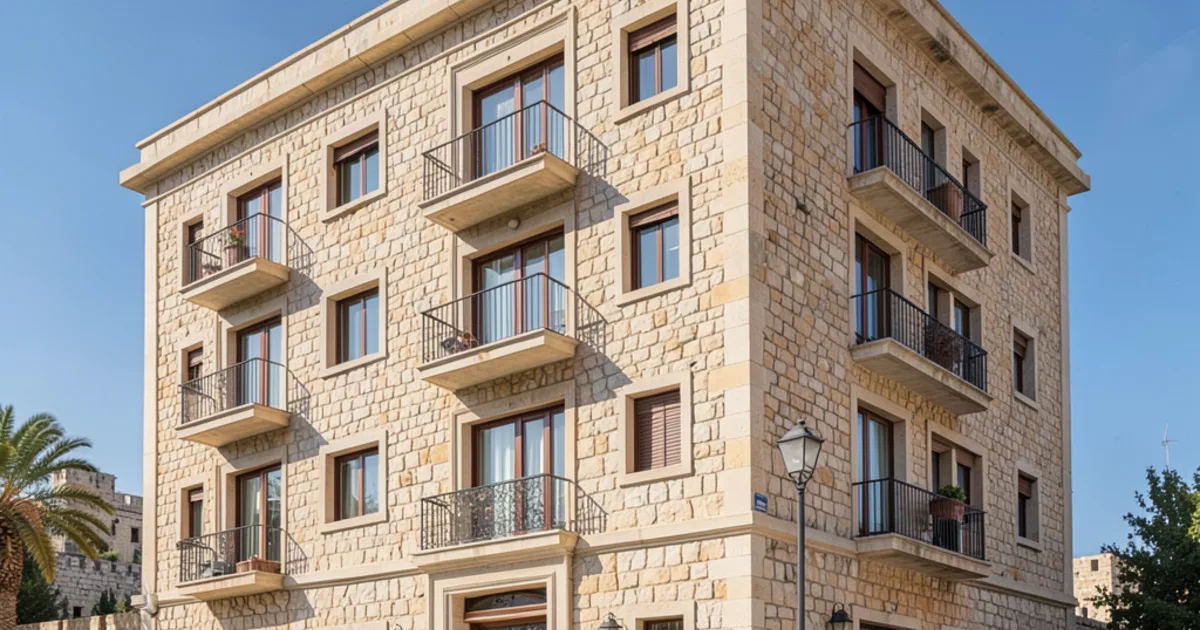
Investing in Jerusalem is more than a mere financial transaction; it is an engagement with one of the world's most historically significant urban landscapes. For international buyers, the city offers a unique blend of cultural gravity and structural market scarcity that is rarely found in other global metropolises. This guide explores the long-term outlook, the legal complexities, and the strategic nuances required to navigate the Jerusalem real estate market successfully.
- The Structural Scarcity of Jerusalem Property
- Demand Drivers: Religious, Cultural, and Demographic Forces
- Identifying High-Value Neighborhoods for International Buyers
- Understanding the Israeli Tax Landscape for Real Estate
- The Legal Framework: From the Binding Memorandum to the Tabu
- Navigating Financing and the Mashkanta Process
- Rental Yield Strategies: Short-Term vs. Long-Term
- Mitigating Geopolitical and Macroeconomic Risks
- The Practicalities of Ownership and Local Integration
The Structural Scarcity of Jerusalem Property
Jerusalem's geography is defined by its rugged hills and valleys, which presents a natural barrier to the kind of sprawling suburban expansion seen in many other metropolitan areas. This topographical reality means that available land for residential development is inherently limited and difficult to develop. Unlike cities that can expand outward indefinitely, Jerusalem is geographically constrained by its terrain and strict municipal planning boundaries. This lack of expansion potential is a fundamental driver of long-term value and property stability.
Furthermore, the municipal government maintains rigorous zoning laws to preserve the historic character and skyline of the city. These regulations often prevent the mass-scale construction of high-rise developments that might otherwise increase the housing supply. When you combine limited land with restricted building permissions, you create a market environment where supply is tightly controlled. For the long-term investor, this scarcity acts as a protective buffer against the price volatility often seen in supply-heavy markets.
The historical significance of the city also plays a critical role in how land is utilized and developed. Large swaths of land are subject to heritage protections, meaning that even if land were available, it might not be eligible for intensive residential construction. This adds another layer of supply restriction that is unique to Jerusalem. Consequently, the competition for existing residential stock remains consistently high, supporting a trend of steady appreciation over many decades.
Demand Drivers: Religious, Cultural, and Demographic Forces
The demand for Jerusalem real estate is not merely driven by local economic factors but by a profound global connection. As a spiritual center for billions of people, the city experiences a constant influx of visitors, pilgrims, and temporary residents. This creates a perpetual demand for housing, ranging from long-term residential units to short-term rental accommodations. This international interest provides a unique layer of demand that is largely decoupled from local economic cycles.
Demographic trends within the city also play a significant role in sustaining property values. Jerusalem has experienced consistent population growth, driven by both natural increases and the movement of people seeking the unique lifestyle the city offers. As the population expands, the pressure on existing housing stock intensifies, which naturally supports upward pressure on prices. This demographic momentum is a key component of the long-term investment thesis for the region.
Beyond religion, the city's role as a political and cultural hub ensures its continued relevance on the global stage. The presence of numerous international institutions and diplomatic missions creates a niche market for high-end residential properties. This diverse demand profile, spanning from religious pilgrims to diplomatic professionals, creates a resilient market structure. Investors who understand these various layers of demand are better positioned to select properties that offer both stability and growth potential.
Identifying High-Value Neighborhoods for International Buyers
Selecting the right neighborhood is perhaps the most critical decision for any foreign investor in Jerusalem. The city is a mosaic of distinct micro-markets, each with its own character, price point, and demographic appeal. An investor seeking high rental yields might look toward different areas than one seeking pure capital appreciation. Understanding these distinctions is essential to aligning a property purchase with a specific investment strategy.
Certain neighborhoods have become synonymous with prestige and long-term value retention. These areas often feature older, architecturally significant buildings that command a premium due to their location and charm. In these districts, the scarcity of modern developments combined with high demand for historic aesthetics creates a very stable market. Investors in these areas are often looking for 'trophy' assets that serve as both homes and significant wealth stores.
Other neighborhoods offer more practical opportunities for those focused on the rental market. These areas tend to be more central to educational institutions or transit hubs, attracting a steady stream of young professionals and students. While the appreciation rates might differ from the more prestigious districts, the consistent occupancy rates can provide a reliable cash flow. A balanced portfolio might include a mix of these different neighborhood archetypes to mitigate risk.
- Baka and Katamon: Highly sought-after by families and professionals, offering strong rental demand and lifestyle appeal.
- Rehavia: A prestigious, central district known for its historic charm and high-end residential properties.
- German Colony: A trendy, high-demand area that is particularly lucrative for short-term vacation rentals.
- Old City Periphery: Offers unique historical value, though it requires a deeper understanding of specific local regulations.
Understanding the Israeli Tax Landscape for Real Estate
Navigating the taxation system is a prerequisite for any successful real estate investment in Israel. Taxation occurs at several different stages, from the moment of purchase to the eventual sale of the asset. Foreigners must be particularly diligent in understanding how their residency status affects their tax obligations. Failing to account for these costs in an initial investment model can significantly impact the net return on investment.
The primary tax encountered during acquisition is the purchase tax, which is calculated based on the property value and the buyer's status. This tax can vary significantly depending on whether the buyer is purchasing their only residence or an additional investment property. It is vital to work with a local professional to ensure the correct rate is applied and that all documentation is filed correctly with the relevant authorities. Accurate calculation of this cost is essential for determining the total entry price of the investment.
Upon the sale of a property, the government imposes a capital gains tax on the profit realized. This is often referred to as Mas Shevah and is a critical factor in calculating the long-term exit strategy. There are various exemptions and nuances to this tax, particularly for primary residences, which can be complex for non-residents to navigate. Understanding the interplay between these different taxes is necessary for a comprehensive financial analysis.
- Mas Rekhisha: The purchase tax applied at the time of acquisition, varying by property value and buyer status.
- Mas Shevah: The capital gains tax levied on the profit made when the property is eventually sold.
- Arnona: The municipal property tax that must be paid periodically to the local municipality.
- Legal and Notary Fees: Essential costs associated with the formalization and registration of the property transfer.
The Legal Framework: From the Binding Memorandum to the Tabu
The process of acquiring real estate in Jerusalem involves several formal legal steps that ensure the transfer of ownership is valid and binding. It begins with the drafting of a binding memorandum, which serves as the foundational contract between the buyer and the seller. This document outlines the price, the terms of payment, and the specific conditions of the sale. It is highly recommended that a qualified local lawyer reviews this document to protect the buyer's interests.
Once the contract is signed, the focus shifts to the formal registration of the property in the official land registry, known as the Tabu. The Tabu is the ultimate authority on property ownership in Israel, and ensuring that the title is clear and free of any liens or encumbrances is a critical step. A lawyer will typically conduct a thorough search in the Tabu to verify that the seller has the legal right to transfer the property. This due diligence is non-negotiable for any serious investor.
Throughout this process, various professionals such as notaries and legal experts play essential roles in validating the transaction. A notary may be required to certify signatures or certain legal documents to ensure they meet local standards. While the process may seem bureaucratic, these layers of verification are designed to provide security to both parties. Following the established legal protocols is the only way to ensure that your investment is legally sound and recognized by the state.
Navigating Financing and the Mashkanta Process
For many investors, securing financing is a central part of the acquisition strategy. In Israel, a mortgage is commonly referred to as a Mashkanta. While local banks offer various mortgage products, the process for foreign residents can be more complex than it is for local citizens. Banks often require higher down payments from non-residents and may apply different interest rate structures based on the perceived risk profile of the borrower.
The Mashkanta process involves several stages, including a rigorous assessment of the buyer's creditworthiness and the value of the property being pledged as collateral. It is important to understand that interest rates can fluctuate, and the type of mortgage chosen, whether fixed or variable, will have a significant impact on long-term costs. An investor must carefully model these costs against expected rental income and appreciation to ensure the debt service remains manageable.
In some cases, international buyers may choose to fund their purchases entirely through private capital to avoid the complexities of local financing. While this requires a higher initial liquidity, it eliminates the risks associated with interest rate hikes and the stringent requirements of local banks. Regardless of the chosen path, having a clear financial plan that accounts for both the acquisition and the ongoing costs of debt is essential for maintaining a healthy investment.
Rental Yield Strategies: Short-Term vs. Long-Term
Investors in Jerusalem must decide on their primary income strategy: long-term residential leasing or short-term vacation rentals. Each approach carries a different set of risks and rewards. Long-term rentals typically offer more stability and lower turnover costs, making them a preferred choice for those seeking predictable, passive income. This model is particularly effective in residential neighborhoods where families and professionals seek stability.
Short-term rentals, often managed through digital platforms, can potentially yield much higher returns, especially in high-traffic areas like the German Colony or near major tourist sites. However, this strategy requires much more active management and is subject to the whims of the tourism market. There is also the added complexity of local municipal regulations regarding short-term stays, which can change and impact the profitability of this model.
To maximize returns, some investors adopt a hybrid approach or invest in properties that can pivot between these two models depending on market conditions. Effective property management is the cornerstone of both strategies. Whether you manage the property yourself or hire a local agency, ensuring that the unit is well-maintained and that tenant relations are handled professionally is vital for protecting your asset and ensuring consistent cash flow.
Mitigating Geopolitical and Macroeconomic Risks
No discussion of real estate in Jerusalem is complete without addressing the geopolitical context. The city is a focal point of regional dynamics, and political shifts can occasionally impact market sentiment. While the real estate market has historically shown remarkable resilience, investors must be aware that periods of tension can lead to temporary fluctuations in demand or liquidity. A long-term perspective is the best defense against these cyclical shifts.
In addition to geopolitical factors, macroeconomic trends such as interest rate changes and national inflation rates play a significant role. When central bank rates rise, the cost of Mashkanta increases, which can cool demand in the housing market. Conversely, periods of low interest rates can drive up property prices as borrowing becomes more affordable. Investors should monitor these broader economic indicators to time their entries and exits more effectively.
Risk mitigation involves diversification and a focus on high-quality assets. By investing in well-established neighborhoods with strong fundamental demand, you reduce the impact of localized volatility. Furthermore, maintaining a healthy level of liquidity and avoiding excessive leverage can provide the necessary cushion to weather periods of market uncertainty. An informed investor does not ignore risk but rather prepares for it through strategic planning.
The Practicalities of Ownership and Local Integration
Successful investment in Jerusalem often requires more than just financial capital; it requires a level of local integration and understanding. For many foreigners, the transition to being a property owner in Israel involves a learning curve regarding local customs, municipal services, and community norms. This is especially true for those who intend to eventually move to the city themselves.
One of the most practical steps for new residents is engaging in an ulpan, or intensive Hebrew language program. While much of the business and legal world operates in English, a basic command of Hebrew is invaluable for interacting with local contractors, municipal officials, and neighbors. This cultural immersion not only makes life easier but also provides a deeper understanding of the local market dynamics that are often conveyed through informal networks.
Beyond language, understanding the local community structure is vital. Jerusalem is a city of many different sub-cultures, and knowing the nuances of your specific neighborhood can be the difference between a smooth experience and constant friction. Engaging with local professional services, such as reliable maintenance companies and property managers, will help you manage your investment effectively from a distance, allowing you to enjoy the benefits of your ownership without being overwhelmed by the day-to-day logistics.
FAQ
Can foreigners legally purchase property in Jerusalem?
Yes, foreigners are permitted to purchase real estate in Jerusalem, subject to certain legal and tax considerations. There are no restrictions preventing international buyers from owning property, though the process of financing and tax residency can vary based on your nationality and personal circumstances.
What are the most important taxes to consider when buying?
The most significant taxes are Mas Rekhisha (purchase tax) paid at the time of sale, and Mas Shevah (capital gains tax) paid when you eventually sell the property. You must also account for the ongoing Arnona, which is the municipal property tax required by the Jerusalem municipality.
Is it better to invest in long-term or short-term rentals?
Long-term rentals offer more stability and lower management effort, making them ideal for passive income. Short-term rentals can offer higher yields due to tourism demand but require much more active management and are subject to more frequent market fluctuations.
How does the scarcity of land affect my investment?
Because Jerusalem's geography and municipal laws strictly limit new construction, the supply of available housing remains low. This structural scarcity typically supports long-term property appreciation, as demand continues to grow while the supply of new homes remains constrained.
Get your personalised shortlist
Listings and up-to-date info, straight to your inbox, free, no obligation.
See Jerusalem homes →