Best Jerusalem neighborhoods for short-term rental investment
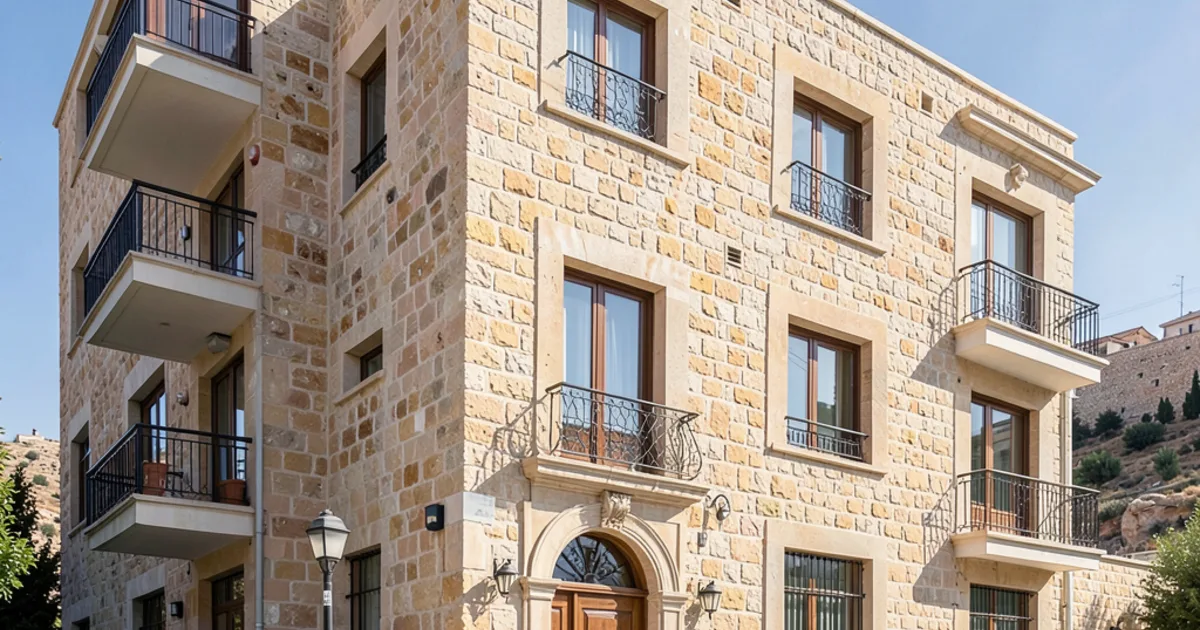
Investing in Jerusalem offers a unique intersection of historical significance and modern economic opportunity. While the city attracts millions of visitors annually, the short-term rental market provides a specialized avenue for investors looking to capitalize on high turnover and demand. This guide explores the most strategic neighborhoods and the essential legal and financial frameworks required to succeed in this complex market.
- The Jerusalem Short-Term Rental Market Dynamics
- Rehavia and Talbiya: The Prestige Investment
- Katamon and Baka: The Lifestyle and Expat Magnet
- The German Colony: High-End Vacation Potential
- Proximity to the Old City: High Occupancy Zones
- Navigating the Legal Framework: Tabu and Contracts
- Understanding Tax Implications: Mas Rekhisha and Mas Shevah
- Financing Your Investment: The Mashkanta Landscape
- Municipal Costs and the Impact of Arnona
- Strategic Long-Term Value and Land Scarcity
- Essential Steps for International Investors
The Jerusalem Short-Term Rental Market Dynamics
The short-term rental market in Jerusalem operates on a different rhythm than many other global metropolises. Unlike cities driven primarily by business travelers, Jerusalem's demand is heavily influenced by religious pilgrimage, cultural tourism, and seasonal holidays. This creates a market characterized by significant peaks and troughs, requiring investors to be highly strategic with their pricing and availability.
Investors must recognize the distinction between the secular and religious tourism segments. Secular tourists often gravitate toward modern amenities and trendy neighborhoods, while religious travelers may prioritize proximity to holy sites and specific dietary or ritual requirements. Understanding which segment your property caters to is the first step in optimizing your occupancy rates.
While the potential for high daily rates exists, the volatility of the region means that a diversified approach is often safer. Successful investors do not merely look at a single property but consider how a portfolio of assets across different neighborhoods can hedge against localized demand shifts. This requires a deep understanding of both the micro-neighborhood trends and the broader geopolitical landscape.
- High seasonal demand during religious holidays
- Divergent needs between secular and religious tourists
- The importance of neighborhood-specific branding
Rehavia and Talbiya: The Prestige Investment
Rehavia and Talbiya represent some of the most prestigious residential areas in Jerusalem, characterized by their classic stone architecture and leafy streets. These neighborhoods attract a high-end demographic, including academics, diplomats, and affluent travelers. Investing here often means acquiring properties with significant historical charm, which can command premium rates on short-term rental platforms.
The demand in these areas is remarkably stable due to their central location and proximity to major institutions and cultural hubs. Because the entry price for property in Rehavia is often higher, the barrier to entry is significant, but the potential for long-term capital appreciation is equally substantial. These neighborhoods are less sensitive to minor market fluctuations compared to more peripheral areas.
When targeting these areas, investors should focus on properties that maintain their original character while offering modern, high-quality interiors. A renovated stone house in Talbiya can serve as a flagship listing that attracts travelers looking for an authentic yet luxurious Jerusalem experience. The goal is to marry the historical aesthetic with the seamless convenience expected by modern vacationers.
- High-end demographic and premium daily rates
- Stable demand driven by prestige and location
- Focus on renovated historical architecture
Katamon and Baka: The Lifestyle and Expat Magnet
Katamon and the adjacent Baka neighborhood have transformed into the lifestyle epicenters of Jerusalem. These areas are famous for their vibrant cafe culture, walkable streets, and a diverse, international population. For short-term rental investors, this translates to a high demand from younger travelers, expats, and Western tourists who seek a 'neighborhood feel' rather than a hotel experience.
The popularity of Baka, in particular, stems from its community-oriented atmosphere and its proximity to major parks and green spaces. Properties in these areas often perform exceptionally well on rental platforms because they appeal to the 'digital nomad' and the culturally curious traveler. The turnover in these neighborhoods can be quite high, providing frequent opportunities for rental income.
However, investors should be mindful of the competition in these highly sought-after zones. Because many residents in Katamon and Baka are also active in the short-term rental market, differentiation is key. Providing unique amenities, such as high-speed internet or curated local guides, can help a property stand out in a crowded marketplace.
- Strong appeal to younger, international travelers
- High walkability and vibrant local amenities
- Competitive market requiring unique differentiation
The German Colony: High-End Vacation Potential
The German Colony offers a unique investment proposition characterized by grand, historical buildings and a sophisticated atmosphere. Located near the Mahane Yehuda market and several major cultural institutions, it sits at a crossroads of luxury and local life. This makes it a prime location for high-budget vacation rentals that cater to travelers seeking elegance.
The architectural style of the German Colony is distinct, featuring large windows and high ceilings that provide a sense of space rarely found in modern apartment blocks. These features are highly marketable to short-term renters who value aesthetics and a sense of place. The proximity to both the bustling market and the more tranquil residential streets offers a versatile appeal.
Investors should note that while the potential for high daily rates is significant, the maintenance of these older, grander buildings can be more intensive. Ensuring that the property's infrastructure, such as plumbing and electrical systems, is up to modern standards is essential to avoid guest complaints and high repair costs during a rental period.
- Luxury appeal with grand architectural features
- Strategic location near markets and culture
- Higher maintenance requirements for historical structures
Proximity to the Old City: High Occupancy Zones
Properties located within walking distance of the Old City walls experience a unique type of demand driven by religious tourism. The sheer volume of visitors traveling to the Holy Sites ensures a constant influx of potential guests. In these zones, the primary driver of success is proximity, as many travelers prefer to stay close to the historical center to minimize travel time.
The turnover rate in these areas tends to be higher than in residential neighborhoods like Rehavia. Guests often stay for shorter durations, which can lead to more frequent cleaning and management cycles. While this increases operational complexity, it also allows for more dynamic pricing strategies based on the specific religious calendar and holiday surges.
It is vital to consider the logistical challenges of these areas, such as narrow streets and limited parking. Investors should prioritize properties that offer easy access or provide clear instructions for guest arrivals. A property that solves the 'arrival problem' in a crowded, historic area will always have a competitive advantage.
- Constant demand driven by religious tourism
- High turnover and dynamic pricing opportunities
- Logistical considerations like parking and access
Navigating the Legal Framework: Tabu and Contracts
Real estate transactions in Israel are governed by strict legal procedures that every investor must respect. The most critical component is the Tabu, the official land registry. Before committing to a purchase, an investor must verify the property's status in the Tabu to ensure there are no undisclosed liens, mortgages, or ownership disputes that could invalidate the sale.
Once a property is identified, the process typically moves toward signing a binding memorandum. This document is the cornerstone of the transaction, outlining the terms of the sale, the payment schedule, and the responsibilities of both parties. It is imperative that this memorandum is drafted by a qualified local attorney to ensure all interests are protected and that the contract is enforceable under Israeli law.
Furthermore, investors should be aware of the role of a notary in certain transaction stages. While a lawyer handles the substantive legalities, a notary may be required to certify signatures or specific documents. Navigating these legal waters requires patience and a commitment to due diligence to avoid the pitfalls of informal or undocumented agreements.
- Mandatory verification via the Tabu registry
- The necessity of a robust binding memorandum
- Engagement with qualified legal professionals
Understanding Tax Implications: Mas Rekhisha and Mas Shevah
Taxation is a significant factor that can alter the net profitability of a short-term rental investment. The first major cost is Mas Rekhisha, or purchase tax, which is paid at the time of acquisition. The amount of this tax is tiered based on the property's value and the buyer's residency status, so foreign investors must calculate this upfront cost accurately.
When it eventually comes time to sell the property, investors will encounter Mas Shevah, which is the capital gains tax. This tax is levied on the profit made from the sale of the asset. Understanding how Mas Shevah is calculated, and whether there are any exemptions or deductions available for certain types of properties, is essential for planning a successful exit strategy.
Beyond these primary taxes, investors must also account for ongoing costs such as property management fees and municipal taxes. Failing to incorporate these into a comprehensive financial model can lead to an overestimation of the actual cash flow. A prudent investor views tax planning as a continuous process that begins at the moment of purchase.
- Mas Rekhisha (Purchase Tax) at acquisition
- Mas Shevah (Capital Gains Tax) upon sale
- Integration of taxes into net yield calculations
Financing Your Investment: The Mashkanta Landscape
Securing financing for property in Jerusalem often involves navigating the Mashkanta, or mortgage market. For local residents, mortgage options are relatively standardized, but for international investors, the process can be more complex. Banks and lending institutions will require extensive documentation regarding the source of funds and the investor's financial history.
The terms of a Mashkanta can vary significantly based on the type of property and the investor's profile. Interest rates, repayment periods, and the required down payment are all variables that can impact the overall leverage of the investment. It is advisable to consult with a mortgage specialist who understands the specific requirements for foreign buyers in the Israeli market.
Investors should also consider the impact of interest rate fluctuations on their monthly cash flow. Since many mortgages are tied to certain indices, a sudden rise in rates can increase the cost of debt servicing. Maintaining a healthy cash reserve to manage these fluctuations is a hallmark of a sophisticated real estate investor.
- Complexity of Mashkanta for foreign investors
- Importance of understanding interest rate indices
- The need for specialized mortgage advice
Municipal Costs and the Impact of Arnona
Every property owner in Jerusalem is responsible for paying Arnona, the municipal property tax. Arnona is calculated based on the property's size, location, and use (residential vs. commercial). For short-term rental investors, it is crucial to understand how the municipality classifies a property used for frequent guest turnover, as this can affect the rate.
Arnona is a recurring expense that must be factored into the monthly operating budget. While it is a predictable cost, it is not negligible and can impact the overall return on investment. Investors should check the local municipality's records to ensure they have an accurate estimate of the Arnona due for a specific property before finalizing a purchase.
In addition to Arnona, investors should be aware of other municipal fees, such as waste collection or local service charges. These small, cumulative costs can add up over a year. A thorough understanding of the local municipal landscape ensures that the investor's financial projections remain grounded in reality.
- Arnona based on size, location, and use
- Impact of municipal fees on monthly cash flow
- Importance of verifying municipal records
Strategic Long-Term Value and Land Scarcity
While the immediate goal of a short-term rental investor may be high monthly yield, the long-term appreciation of the asset is equally important. Jerusalem is a city characterized by geographical constraints and limited available land. This inherent scarcity tends to support property values over time, providing a layer of security for real estate investors.
The combination of high demand for both rental income and permanent residency creates a robust market. Even if the short-term rental market experiences a temporary lull, the underlying value of the real estate remains supported by the city's unique status and limited supply. This makes Jerusalem a compelling option for those seeking a balance between income and capital growth.
Investors should look for properties in areas where urban development is constrained or where historical preservation laws prevent massive new construction. These areas are most likely to benefit from the scarcity-driven appreciation that defines the best real estate markets in the world.
- Scarcity of land driving long-term value
- Dual benefit of yield and capital appreciation
- Focus on areas with limited development potential
Essential Steps for International Investors
For those investing from abroad, the process requires a high degree of organization and the right local connections. While it is possible to conduct much of the research remotely, having a local presence, whether through a legal representative or a property management firm, is indispensable. This local expertise helps bridge the gap between international expectations and local realities.
Many investors find that learning basic Hebrew through an Ulpan or similar program, even if not for fluency, provides a significant advantage. Understanding the basic terminology and being able to navigate simple interactions can build trust and improve communication with local service providers. However, for the heavy lifting of legal and financial work, professional English-speaking experts are essential.
A successful investment journey typically follows a structured path: market research, legal verification, financial planning, property acquisition, and finally, operational setup. By following this sequence and treating each step with the necessary due diligence, international investors can successfully navigate the complexities of the Jerusalem market.
- Importance of local professional connections
- The value of basic Hebrew knowledge
- A structured approach to the investment lifecycle
FAQ
Is short-term rental investment legal in Jerusalem?
Short-term rentals are generally permitted, but they are subject to local municipal regulations and zoning laws. It is essential to verify with the Jerusalem Municipality whether a specific property or building has the necessary permissions for frequent guest turnover to avoid fines or legal issues.
What are the biggest risks for a foreign investor in Jerusalem?
The primary risks include market volatility due to regional geopolitics and the complexity of the local tax and legal systems. Additionally, managing a property from a distance can lead to operational inefficiencies if a reliable local management team is not in place.
How do I manage my property if I live outside of Israel?
Most successful international investors utilize a professional local property management agency. These firms handle everything from guest communication and key handovers to cleaning and emergency maintenance, allowing the owner to remain hands-off.
Should I buy a new apartment or an older one for rentals?
Newer apartments often offer more predictable maintenance and modern amenities that appeal to certain travelers. However, older properties in historic neighborhoods like Rehavia offer unique charm and higher potential for capital appreciation due to their character.
Get your personalised shortlist
Listings and up-to-date info, straight to your inbox, free, no obligation.
See Jerusalem homes →