Which Jerusalem neighborhoods offer the best public transport links to the city center?
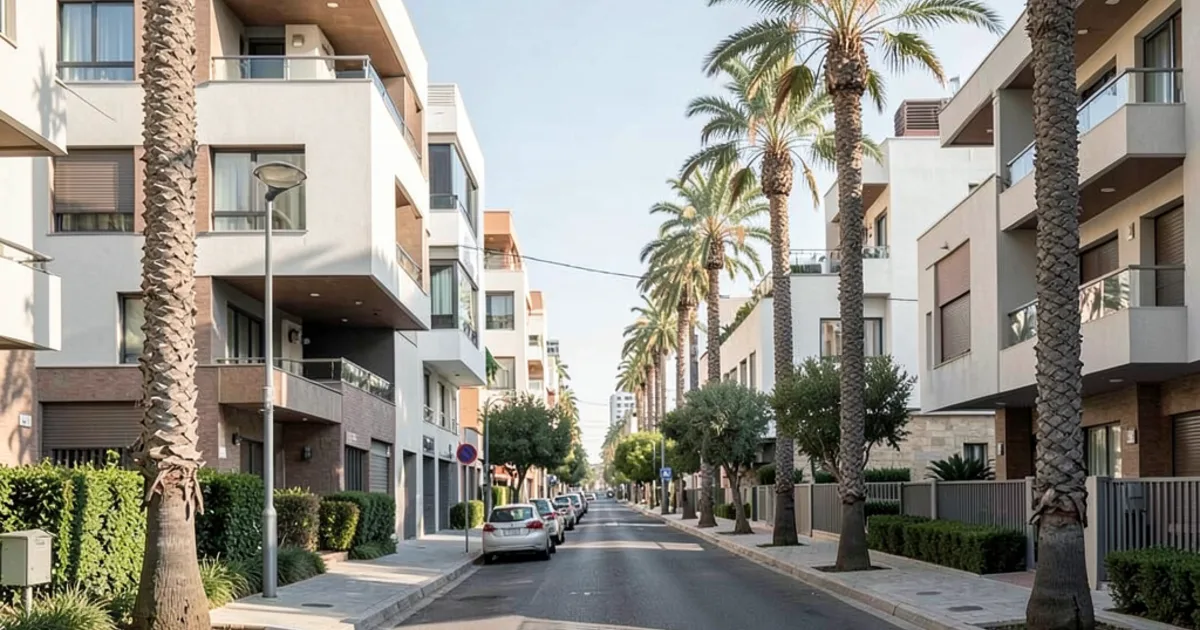
Choosing a home in Jerusalem involves weighing many factors, and for many, easy access to the city center via public transport is paramount. Whether for work, leisure, or simply enjoying the heart of the city, a well-connected neighborhood can significantly enhance one's quality of life. This comprehensive guide from JerusalemHomes delves into various desirable areas, comparing their public transportation infrastructure, particularly concerning their routes to the bustling city center, offering insights for both seasoned residents and those new to this historic city.
Quick answer: Neighborhoods like Ramat Gan, Givatayim, and parts of West Jerusalem offer the most direct and frequent public transport links to the city center. These areas are well-served by major bus routes and light rail lines, providing reliable daily access for residents and commuters.
- Why Public Transport Connectivity to the City Center Matters in Jerusalem
- Understanding Jerusalem's Public Transport Network
- Rehavia: Elegance and Exceptional Connectivity
- The German Colony: Historic Charm with Strategic Links
- Baka: Tranquility with Accessible City Connections
- Katamon (Old & New): Diverse Living with Varied Access
- Arnona: Elevated Views and Evolving Transport Solutions
- Considering Other Factors: Walkability, Amenities, and Lifestyle
- Practical Advice for Homebuyers: Due Diligence and Expert Consultation
- Future-Proofing Your Investment: Anticipating Urban Development
- The JerusalemHomes Advantage: Your Trusted Advisor
Why Public Transport Connectivity to the City Center Matters in Jerusalem
Jerusalem's city center, encompassing areas like Ben Yehuda Street, Jaffa Road, and Mamilla Avenue, serves as a vital hub for commerce, culture, and social interaction. For residents, convenient access to this area is not merely a luxury but often a necessity. It means shorter commutes to workplaces, easier access to a diverse array of shops, restaurants, and cultural institutions, and a reduced reliance on private vehicles, which can be a significant advantage given the city's sometimes challenging parking situation.
Beyond daily convenience, strong public transport links also contribute to the overall desirability and potential investment value of a neighborhood. Areas well-served by buses and the light rail often attract a broader range of residents, from young professionals to families and retirees, all seeking ease of movement. This demand can positively influence property values over time, making connectivity a crucial consideration for anyone looking to purchase a home, whether for personal use or as a long-term investment.
Furthermore, embracing public transport aligns with a more sustainable urban lifestyle, reducing traffic congestion and environmental impact. Jerusalem's commitment to expanding its public transport network, including the ongoing development of new light rail lines and bus routes, underscores its importance. Understanding these networks is therefore fundamental to making an informed decision about where to settle in this dynamic city, ensuring that your chosen neighborhood truly meets your needs for accessibility and integration into the wider urban fabric.
Understanding Jerusalem's Public Transport Network
Jerusalem's public transport system primarily consists of an extensive bus network operated by Egged and the Jerusalem Light Rail (Kav Kal). The Light Rail, a modern and efficient mode of transport, currently operates along its Red Line, connecting significant parts of the city from Pisgat Ze'ev in the north to Mount Herzl in the southwest, passing directly through the city center. This line has revolutionized travel for many residents, offering a fast and reliable alternative to bus travel for its specific route.
The bus network, however, remains the backbone of the city's public transport, reaching virtually every neighborhood and complementing the Light Rail's coverage. Buses offer flexibility in routes and stops, often providing direct links where the Light Rail does not yet extend. Passengers utilize a 'Rav-Kav' smart card, which can be loaded with various travel passes or credit, allowing seamless transfers between buses and the Light Rail within a specified time frame, enhancing the efficiency of multi-modal journeys.
Future expansions are also crucial to consider; new light rail lines (Green and Blue) are under construction or in planning stages, promising to further enhance connectivity across the city in the coming years. While these are not yet operational, their eventual completion will transform accessibility for many areas. Prospective buyers should research these planned developments as they could significantly impact future property values and commuting convenience in certain neighborhoods.
Rehavia: Elegance and Exceptional Connectivity
Rehavia stands as a beacon of elegance and intellectual heritage, known for its tree-lined streets, Bauhaus-style architecture, and proximity to major cultural institutions. Its location is inherently advantageous for city center access. The neighborhood itself borders the city center, meaning many residents are within comfortable walking distance of key areas like the Great Synagogue, the President's Residence, and numerous cafes and shops. This pedestrian accessibility is a significant draw, offering a quality of life that blends urban convenience with a tranquil residential atmosphere.
For those who prefer public transport, Rehavia is exceptionally well-served. Multiple bus lines traverse or border the neighborhood, providing direct and frequent connections to the city center's main arteries, including Jaffa Road and Ben Yehuda Street. The Light Rail's nearest stations, such as Davidka Square or Jaffa Center, are also often just a short walk or a quick bus ride away, offering another swift option for reaching the heart of the city or venturing further along the Red Line.
The combination of walkability, extensive bus routes, and proximity to Light Rail stations makes Rehavia one of the most well-connected neighborhoods in Jerusalem. This superior connectivity, coupled with its esteemed reputation and beautiful properties, contributes to its enduring appeal and robust property market. For those prioritizing both convenience and prestige, Rehavia presents a compelling option, balancing serene residential living with immediate access to urban dynamism.
- Walkable to many city center attractions.
- Numerous bus lines with direct routes to the city center.
- Close proximity to Light Rail stations (e.g., Davidka Square, Jaffa Center).
The German Colony: Historic Charm with Strategic Links
The German Colony, renowned for its picturesque stone buildings, trendy boutiques, and vibrant Emek Refaim Street, offers a unique blend of historic charm and modern amenities. While slightly further from the absolute core of the city center than Rehavia, its public transport links are robust and strategic. Emek Refaim itself is a major thoroughfare for several key bus lines that run directly into the city center, providing frequent service throughout the day and into the evening.
Residents of the German Colony benefit from the direct and relatively quick bus routes that connect them to areas like the First Station complex, King George Street, and ultimately, the bustling commercial and cultural hubs of the city center. The journey is typically straightforward, avoiding complex transfers for most destinations. This directness is a major advantage, making daily commutes or leisure trips hassle-free for residents.
Moreover, the ongoing development of the Green Line of the Light Rail is anticipated to significantly enhance the German Colony's connectivity in the future. While not yet operational, this line is planned to traverse the area, promising even faster and more efficient access to the city center and other parts of Jerusalem. This future potential adds an intriguing dimension for prospective buyers considering long-term accessibility and property value appreciation in this highly desirable neighborhood.
- Direct and frequent bus services along Emek Refaim Street to the city center.
- Good connectivity to the First Station and King George Street.
- Future Green Line Light Rail expansion promises enhanced connectivity.
Baka: Tranquility with Accessible City Connections
Baka is a charming residential neighborhood known for its quiet, tree-lined streets, historic homes, and a strong sense of community. It offers a more suburban feel while still maintaining excellent connectivity to the city center. Situated just south of the German Colony and the First Station, Baka residents enjoy a relatively short bus ride to the heart of Jerusalem, often traversing pleasant routes.
Several bus lines operate through Baka, providing direct links to major city center destinations. These routes typically offer frequent service, making it convenient for residents to commute to work, access cultural venues, or enjoy the myriad of shops and restaurants. The proximity to the First Station also adds a layer of convenience, as it serves as a public transport hub with numerous bus connections and is a popular leisure destination in itself.
While not directly on a Light Rail line currently, Baka benefits from its strategic location adjacent to areas that are well-served. A short walk or a quick bus connection can bring residents to Light Rail stops, expanding their transport options. This blend of peaceful residential living with accessible urban connections makes Baka an attractive option for those seeking a balance between community ambiance and city convenience, with property values reflecting its desirability and growing appeal.
- Direct bus routes to the city center, often with frequent service.
- Proximity to the First Station, a transport and leisure hub.
- Easy access to Light Rail connections via short bus rides or walks.
Katamon (Old & New): Diverse Living with Varied Access
The Katamonim, encompassing both Old and New Katamon, offer a diverse range of living experiences, from quiet, established streets to more vibrant, evolving areas. These neighborhoods are generally well-connected, albeit with some variation depending on the specific location within the broader Katamon area. Commuting to the city center is typically efficient via numerous bus routes that crisscross the area, providing direct links to key urban destinations.
Residents in Katamon benefit from a dense network of bus lines, ensuring that most parts of the neighborhood are within easy walking distance of a bus stop with direct service to the city center. These routes often lead to major thoroughfares like King George Street or Jaffa Road, offering convenient access to commercial, cultural, and governmental institutions. The frequency of buses during peak hours is generally good, facilitating daily commutes.
While the Light Rail does not currently run directly through Katamon, the neighborhood's bus network effectively bridges this gap, allowing residents to connect to Light Rail stations with relative ease. The future expansion of the Light Rail network, particularly potential extensions or new lines, could further enhance connectivity for parts of Katamon, adding to its long-term appeal. For families and individuals seeking a more residential environment with reliable city access, Katamon presents a practical and appealing choice.
- Extensive bus network offering direct routes to the city center.
- Good bus frequency, especially during peak travel times.
- Strategic location allowing for relatively easy connection to Light Rail stations via bus.
Arnona: Elevated Views and Evolving Transport Solutions
Arnona, situated on a hill with often stunning views, offers a more suburban and often quieter living experience compared to the central neighborhoods. While historically perceived as slightly more removed, its public transport links to the city center have been steadily improving, making it an increasingly attractive option for those seeking a tranquil environment without sacrificing urban access. The main thoroughfares in Arnona are served by several bus lines that connect directly to the city center.
The bus routes from Arnona typically provide a direct path to the city center, often passing through or near key areas like the First Station and the German Colony before reaching the primary urban hubs. The journey might be a little longer than from more central neighborhoods, but the directness and frequency of service, particularly during daytime hours, ensure reliable connectivity. This allows residents to enjoy Arnona's peaceful ambiance while still engaging with the city's dynamism.
Furthermore, Arnona is an area slated to benefit significantly from future public transport developments. Planned extensions of Light Rail lines or enhanced bus rapid transit routes are expected to further reduce travel times and increase convenience. For prospective buyers, Arnona represents a neighborhood where current connectivity is good, but future enhancements promise to make it even more accessible, potentially influencing property values positively over time as these projects materialize.
Considering Other Factors: Walkability, Amenities, and Lifestyle
While public transport connectivity to the city center is a crucial factor, it's essential to consider how it integrates with other aspects of neighborhood living. Walkability within the neighborhood itself is often highly valued. Do you need to drive everywhere for groceries, schools, or local cafes, or can you accomplish daily errands on foot? Neighborhoods like Rehavia and the German Colony excel in this regard, offering a more pedestrian-friendly experience that complements their public transport links.
The availability of local amenities also plays a significant role. Access to parks, schools, synagogues, community centers, and local shops can greatly enhance daily life, reducing the need for constant trips to the city center. A vibrant local scene, from farmers' markets to neighborhood eateries, contributes to a strong sense of community and self-sufficiency. Evaluating these local offerings alongside transport options provides a more holistic view of a neighborhood's suitability.
Ultimately, the choice of neighborhood reflects a desired lifestyle. Some prioritize the bustling energy and immediate access of a central location, while others seek the quiet and space of more residential areas, even if it means a slightly longer commute. Understanding your personal preferences and balancing them with practical considerations like public transport, local amenities, and walkability is key to finding the perfect home in Jerusalem. JerusalemHomes advises a thorough exploration of each area to truly grasp its unique character and connectivity.
Practical Advice for Homebuyers: Due Diligence and Expert Consultation
When considering a property in Jerusalem, especially with an eye on public transport, thorough due diligence is paramount. Beyond simply identifying bus routes, it's advisable to physically experience the commute during different times of day, peak hours versus off-peak, to gauge actual travel times and crowding. Check the frequency of services using real-time apps and consider the walking distance from potential properties to the nearest bus stops or Light Rail stations. This firsthand experience can reveal critical insights not apparent from maps alone.
Navigating the Jerusalem real estate market also requires understanding specific local procedures. From verifying property details through the Tabu (land registry) to understanding local taxes like Arnona (municipal property tax) and potential Mas Rekhisha (purchase tax) or Mas Shevah (capital gains tax) implications for sellers, expert guidance is invaluable. A binding memorandum, often an initial agreement, requires careful legal review before proceeding to a full contract. For those requiring financing, understanding Mashkanta (mortgage) options is crucial.
Engaging with a reputable local real estate agency like JerusalemHomes is highly recommended. Our advisors possess deep knowledge of specific neighborhoods, their transport links, and the nuances of the local market. We can help you anticipate objections, navigate complex paperwork, and connect you with trusted legal and financial professionals. For new immigrants, we can also provide insights into practicalities like 'ulpan' (Hebrew language school) locations and community integration, ensuring a smooth transition into your new Jerusalem home.
Future-Proofing Your Investment: Anticipating Urban Development
Investing in Jerusalem real estate means considering not just the present, but also anticipated urban development. The city is continually evolving, with new infrastructure projects, particularly in public transport, shaping its future landscape. As discussed, the expansion of the Light Rail network, with new lines planned and under construction, will significantly alter connectivity for various neighborhoods. Understanding these long-term plans can help in making a more strategic purchasing decision.
Neighborhoods currently underserved by rapid transit might see substantial improvements in accessibility, potentially leading to increased demand and appreciation in property values. Conversely, areas already well-connected might maintain their premium, but their appeal could be further solidified by system enhancements. Researching municipal master plans and transport authority projections can provide valuable foresight into these changes.
Furthermore, broader urban planning initiatives, such as the development of new commercial centers or green spaces, can also impact a neighborhood's desirability and connectivity. A JerusalemHomes expert can provide insights into these planned developments, helping you to 'future-proof' your investment by identifying areas poised for growth and enhanced liveability. This proactive approach ensures that your chosen home remains a valuable and convenient asset for years to come.
The JerusalemHomes Advantage: Your Trusted Advisor
At JerusalemHomes, we understand that purchasing a property in Jerusalem is more than just a transaction; it's an investment in a lifestyle and a community. Our team of experienced real estate professionals brings unparalleled local knowledge and a commitment to client satisfaction. We don't just show you properties; we help you understand the intricate fabric of each neighborhood, including its public transport advantages and challenges, local amenities, and community character.
Our approach is built on trust, transparency, and tailored advice. We take the time to understand your unique needs, whether you're a first-time buyer, an investor, or relocating from abroad. We anticipate your questions, explain complex procedures like the Tabu registration process or Mas Rekhisha implications, and guide you through every step, from the initial search to signing the binding memorandum and securing your Mashkanta.
Beyond the sale, JerusalemHomes is dedicated to ensuring your smooth integration into the Jerusalem community. We can offer guidance on everything from finding an ulpan to understanding local services, acting as your trusted English-speaking advisor throughout your journey. Our goal is to empower you to make an informed decision, confident that you've found not just a house, but a true home in a neighborhood that perfectly matches your aspirations for connectivity and quality of life in Jerusalem.
FAQ
What is a 'binding memorandum' in Israeli real estate?
A binding memorandum is a preliminary, legally binding agreement that outlines the key terms of a property sale before the full contract is drafted. It typically includes the property details, price, payment schedule, and target closing date, committing both parties to the transaction.
How does the 'Rav-Kav' card work for public transport in Jerusalem?
The Rav-Kav is a smart card used for all public transport in Israel. You load it with credit or various travel passes, allowing you to tap on and off buses and the Light Rail. It facilitates seamless transfers within a specified time, making multi-modal journeys efficient.
What are 'Arnona' and 'Mas Rekhisha' when buying property in Jerusalem?
Arnona is the municipal property tax paid by residents to the local authority, based on property size and location. Mas Rekhisha is the purchase tax levied on real estate acquisitions, with rates varying based on the buyer's residency status and whether it's their first property.
Are there any specific considerations for overseas buyers regarding Jerusalem's public transport?
Overseas buyers should familiarize themselves with the Rav-Kav system and consider downloading local transport apps for real-time information. Understanding the frequency of services, especially on Shabbat and holidays when public transport is limited, is also crucial for planning.
Get your personalised shortlist
Listings and up-to-date info, straight to your inbox, free, no obligation.
See Jerusalem homes →