Are there any specific zoning regulations to be aware of when renovating an old apartment in Katamon?
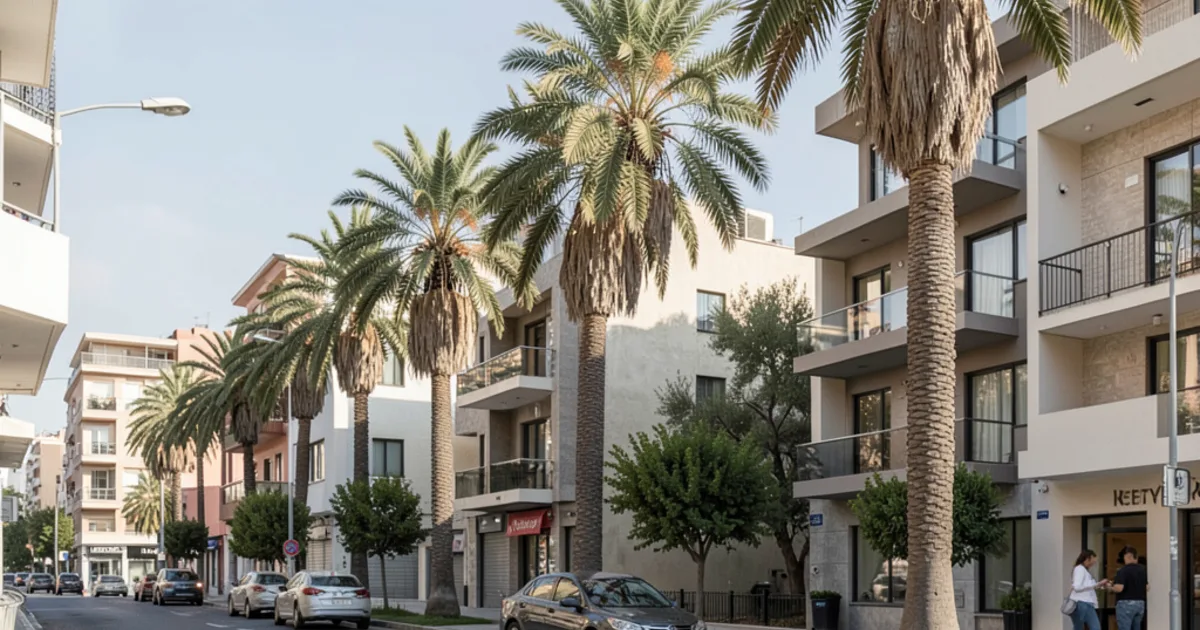
Renovating an old apartment in Katamon, one of Jerusalem's most coveted neighborhoods, offers the unique opportunity to blend historic charm with modern living. However, this endeavor comes with its own set of challenges, particularly concerning the intricate web of zoning regulations and preservation laws. This comprehensive guide from JerusalemHomes aims to equip you with the essential knowledge needed to navigate these waters successfully, ensuring your renovation project not only enhances your property but also complies with all local requirements.
- Understanding the Katamon Neighborhood: A Historical Context for Renovation
- The Jerusalem Local Planning and Building Committee: Your Primary Authority
- Specific Zoning Regulations for Old Katamon Apartments: Preservation and Architectural Integrity
- Permits Required for Renovation: More Than Just a Building Permit
- The Role of Architects and Preservation Consultants
- Navigating Neighbor Consent and Shared Property Issues
- Common Pitfalls and How to Avoid Them in Katamon Renovations
- Financial Implications: Taxes, Fees, and Value Enhancement
- The Tabu Land Registry: Ensuring Your Property Rights Are Clear
- Preparing for the Renovation Process: A Step-by-Step Approach
- Embracing the Katamon Aesthetic: Balancing Modernity with Heritage
Understanding the Katamon Neighborhood: A Historical Context for Renovation
Katamon, a collection of sub-neighborhoods including Old Katamon, Katamonim, and San Simon, boasts a rich architectural heritage, making it a prime location for those seeking character and history. Its buildings often date back to the British Mandate era, featuring distinctive Arab-style architecture, stone facades, and unique layouts. This historical significance means that many properties are subject to various levels of preservation, which directly impacts the scope and nature of permissible renovations.
The allure of Katamon lies in its quiet, tree-lined streets, proximity to cultural centers, and a strong sense of community, attracting families and individuals alike. However, the very charm that draws residents also dictates a more cautious approach to property alterations. Understanding this historical and cultural context is the first crucial step before even considering architectural plans, as it frames all subsequent regulatory considerations.
Properties in areas like Old Katamon or near the German Colony and Baka often fall under stricter preservation guidelines due to their age and historical value. This contrasts with newer sections or those with less architectural significance, where renovation rules might be comparatively more flexible. Identifying the specific historical designation of your building is paramount, as it will fundamentally shape what you can and cannot do.
Jerusalem's municipality, through its various committees, is committed to preserving the city's unique character, and Katamon is a prime example of an area where this commitment is visibly enforced. This commitment translates into detailed regulations that aim to maintain the aesthetic integrity and historical fabric of the neighborhood, ensuring that any renovation contributes positively rather than detracting from its established charm.
The Jerusalem Local Planning and Building Committee: Your Primary Authority
At the core of all renovation projects in Jerusalem is the Jerusalem Local Planning and Building Committee (הועדה המקומית לתכנון ובניה ירושלים). This municipal body is responsible for approving all building permits, zoning changes, and development plans within the city. For any structural alteration, addition, or significant modification to an apartment in Katamon, you will inevitably interact with this committee or its representatives.
The committee operates under the national Planning and Building Law and local bylaws, which detail permissible building heights, setbacks, land use, and architectural styles. Their primary role is to ensure that all construction and renovation activities adhere to these regulations, maintaining urban planning principles and public safety. Neglecting to obtain proper approval can lead to severe penalties, including demolition orders and substantial fines.
Navigating the committee's processes requires professional assistance, typically from an architect or a licensed engineer who is familiar with Jerusalem's specific requirements. These professionals will prepare the necessary plans, submit applications, and represent your project during the review process. Their expertise is invaluable in interpreting complex regulations and addressing any concerns raised by the committee.
It's important to understand that the approval process can be lengthy and involves multiple stages, from initial submission to final permit issuance. Patience and meticulous preparation are key. Engaging with the committee early, even through pre-application consultations, can help identify potential issues and streamline the overall timeline, which is particularly relevant for older properties with unique characteristics.
Specific Zoning Regulations for Old Katamon Apartments: Preservation and Architectural Integrity
When renovating an old apartment in Katamon, particularly in areas designated for preservation, specific zoning regulations come into play that go beyond standard building codes. These regulations are designed to protect the historical and architectural character of the buildings and the neighborhood as a whole. They often dictate material choices, facade treatments, window styles, and even the permissible extent of internal layout changes.
One of the most significant aspects is the preservation of external facades. Many old Katamon buildings feature distinctive Jerusalem stone, arched windows, and specific balcony designs. Regulations may prohibit altering these elements or require that any changes strictly adhere to the original architectural style and materials. This means that replacing old windows might necessitate custom-made replicas rather than standard modern units.
Internal structural changes are also subject to scrutiny, especially if the building is listed for high-level preservation. While interior renovations are generally more flexible than exterior ones, major structural alterations that could impact the building's integrity or historical layout may require special permission. For instance, combining multiple small rooms into a large open-plan space might be challenged if it significantly deviates from the original design intent of a protected property.
The concept of 'building envelope' is crucial here. This refers to the outer shell of the building, including its roof, walls, and foundations. Any modifications to the building envelope are typically subject to rigorous review to ensure they do not compromise the historical integrity or structural stability. Even seemingly minor changes like adding an external air conditioning unit or satellite dish might require careful placement and approval to avoid marring the facade.
Permits Required for Renovation: More Than Just a Building Permit
A standard building permit (היתר בניה) is the baseline requirement for most significant renovations in Israel. However, for old apartments in Katamon, additional permits and approvals might be necessary, particularly if the property falls under preservation guidelines. This layered approach ensures that all aspects of the renovation are considered from both a safety and a historical perspective.
Beyond the general building permit, you might need a special permit for preservation if your building is designated as a protected structure. This permit often involves a more detailed review by a preservation expert or committee, who will assess the impact of your proposed changes on the building's historical value. They may impose conditions on materials, techniques, and the scope of work to ensure compliance with preservation standards.
Furthermore, if your renovation involves changes to shared areas or the building's structure (e.g., adding a balcony, expanding into a common space), you will likely need the consent of other apartment owners in the building, formalized through a signed agreement or a decision from the homeowners' association (ועד בית). This is critical, as disputes with neighbors can significantly delay or even halt a project.
Other permits could include those related to environmental impact, accessibility for disabled persons (if applicable), or specific permits for infrastructure connections (water, sewage, electricity). A competent architect or project manager will be able to identify all necessary permits at the outset, preventing costly delays and legal issues down the line. It's a complex bureaucratic dance that requires expertise and foresight.
The Role of Architects and Preservation Consultants
For any renovation project in Katamon, especially those involving older properties, engaging a licensed architect is not just recommended but often a legal necessity for submitting plans. An architect experienced with Jerusalem's regulations and historical architecture can be an invaluable asset, translating your vision into compliant and feasible designs. They understand the nuances of local bylaws and the expectations of the planning committee.
Beyond standard architectural services, for properties under preservation, retaining a specialized preservation consultant or an architect with expertise in historical conservation is highly advisable. These professionals possess a deep understanding of historical building techniques, materials, and the specific preservation mandates that apply to areas like Katamon, Baka, or the German Colony. They can act as an intermediary between you and the preservation authorities, facilitating smoother approvals.
A skilled architect or consultant will also help you navigate the often-complex documentation requirements, including historical surveys, detailed material specifications, and photographic evidence of the existing structure. They can anticipate potential challenges from the planning committee and proactively address them in the design phase, saving time and resources during the application process.
Their expertise extends to advising on suitable contractors who have experience working with older buildings and delicate materials. Choosing a contractor unfamiliar with preservation-sensitive work can lead to costly mistakes or damage to historical elements, underscoring the importance of a coordinated professional team from design through construction.
Navigating Neighbor Consent and Shared Property Issues
In multi-apartment buildings, particularly older ones common in Katamon, any renovation that impacts shared walls, the building's exterior, or common areas requires careful consideration of neighbor consent. The legal framework surrounding apartment ownership in Israel (known as 'Beit Meshutaf' or shared house) dictates that certain changes necessitate approval from other tenants, often a majority or even unanimous consent depending on the nature of the alteration.
For example, if your renovation involves expanding an apartment by enclosing a balcony that is legally part of the common property, or if it requires structural changes that affect the building's common foundations or roof, you will almost certainly need the explicit agreement of your neighbors. This agreement should ideally be legally formalized, perhaps through a binding memorandum (זיכרון דברים מחייב) or an amendment to the condominium's bylaws, to prevent future disputes.
The homeowners' association (ועד בית) plays a crucial role in these discussions. Engaging with them early and transparently can help foster goodwill and facilitate the approval process. Presenting clear plans, explaining the benefits (e.g., improved aesthetics, structural reinforcement), and addressing any concerns can significantly smooth the path to obtaining necessary consents.
Failure to secure proper neighbor consent can lead to legal injunctions, construction halts, and protracted disputes, potentially costing significant time and money. It's prudent to consult with a lawyer specializing in real estate law to understand the specific requirements for your building and to help draft any necessary agreements with co-owners.
Common Pitfalls and How to Avoid Them in Katamon Renovations
One of the most common pitfalls in renovating an old Katamon apartment is underestimating the time and complexity involved in obtaining permits, particularly for preserved buildings. Many owners begin planning without fully grasping the bureaucratic layers, leading to frustration and significant delays. Proactive engagement with professionals and municipal bodies from the outset is crucial.
Another frequent issue is unexpected structural discoveries. Older buildings can hide a multitude of surprises, from deteriorating infrastructure to unforeseen structural weaknesses. Budgeting for contingencies, typically an additional percentage of the total project cost, is essential to cover these unforeseen expenses without derailing the project financially. A thorough structural survey before purchase or renovation commencement can mitigate some of this risk.
Misinterpreting or ignoring preservation guidelines can lead to costly rework or fines. Attempting to use modern materials or designs that clash with the historical character of the building, or making alterations without proper approval, can result in orders to revert the changes. Always err on the side of caution and consult with preservation experts to ensure compliance.
Finally, neglecting to secure all necessary neighbor consents can turn a renovation dream into a legal nightmare. Disputes with co-owners can bring a project to a standstill and result in substantial legal fees. Open communication, transparent plans, and legally sound agreements with neighbors are vital for a smooth process. Engaging a real estate lawyer early can help navigate these interpersonal dynamics effectively.
Financial Implications: Taxes, Fees, and Value Enhancement
Renovating an apartment in Katamon involves significant financial considerations beyond just construction costs. Property taxes, known as Arnona, are levied by the municipality and are assessed based on various factors, including the property's size and perceived value. A substantial renovation that increases the apartment's size or significantly upgrades its features could lead to an adjustment in your Arnona payments.
Regarding property transactions, if you eventually sell your renovated apartment, you might be subject to Mas Shevah (capital gains tax) on the profit made. However, certain exemptions and deductions apply, and the costs of approved renovations can often be factored into the acquisition cost, reducing the taxable gain. It's crucial to keep detailed records of all renovation expenses for this purpose.
For those requiring financing, a Mashkanta (mortgage) for renovation purposes is a common option. Israeli banks offer various mortgage products tailored for home improvements, but the terms and eligibility criteria can vary. Lenders will typically require approved plans and permits before releasing funds, underscoring the importance of regulatory compliance.
While renovations are an expense, they are also an investment. A well-executed renovation that respects the historical character of Katamon and meets modern living standards can significantly enhance the property's market value. This is particularly true in desirable neighborhoods like Katamon, where updated yet historically sensitive properties command premium prices. The balance between cost and value enhancement is a key consideration for any homeowner.
The Tabu Land Registry: Ensuring Your Property Rights Are Clear
The Tabu (טאבו), or the Israel Land Registry, is the official record of property ownership and rights in Israel. Before embarking on any significant renovation, it is absolutely essential to verify that your property's details are accurately registered in the Tabu. This includes ensuring that the apartment's boundaries, size, and any attached rights (like shared garden access or storage units) are correctly recorded.
Discrepancies in the Tabu can create legal complications during renovation, especially if you plan to expand your apartment or make changes that affect common property. For example, if your apartment is registered with a certain square footage, and your renovation plans propose an increase, the Tabu record will eventually need to be updated to reflect these changes, often after final municipal approval.
A thorough review of the Tabu extract ('נסח טאבו') by a real estate lawyer is a fundamental step. This document provides critical information about the property, including ownership details, any registered liens, easements, or restrictions. Understanding these details upfront can prevent legal challenges and ensure that your renovation plans are in line with your legal property rights.
Should your renovation involve changes that alter the building's condominium plan (תשריט בית משותף), such as adding a new room or enclosing a balcony, these changes will eventually need to be registered in the Tabu. This process, often complex, requires the approval of the planning committee and, in many cases, the consent of other apartment owners. Proper registration ensures that your investment is legally protected and recognized.
Preparing for the Renovation Process: A Step-by-Step Approach
The initial step in any Katamon renovation should be a detailed feasibility study. This involves identifying the specific zoning regulations applicable to your property, assessing its structural integrity, and understanding its historical designation. Engage an architect and potentially a structural engineer early to get a realistic picture of what's possible and what challenges lie ahead.
Once a preliminary vision is established, work with your architect to develop detailed plans that comply with all municipal and preservation requirements. This phase includes numerous revisions and consultations, both internally and potentially with municipal planning departments. Simultaneously, begin the process of engaging with your neighbors to discuss any proposed changes that might affect common property.
The permit application process is next. This involves submitting your detailed plans, along with all supporting documentation, to the Jerusalem Local Planning and Building Committee. Be prepared for a potentially lengthy review period, which may include requests for additional information or modifications to your plans. Patience and responsiveness are key during this stage.
Upon receiving all necessary permits and securing neighbor consents, you can then proceed with contractor selection and construction. Ensure your contract with the builder is comprehensive, detailing scope, timeline, payment schedules, and crucially, adherence to all approved plans and preservation guidelines. Regular site supervision, ideally by your architect, is vital to ensure the work progresses according to plan and quality standards.
Embracing the Katamon Aesthetic: Balancing Modernity with Heritage
A successful renovation in Katamon isn't just about compliance; it's also about harmoniously blending modern comfort with the neighborhood's unique heritage. This means making design choices that respect the original character of the building while introducing contemporary functionality and aesthetics. The goal is to enhance, not erase, the property's historical charm.
Consider incorporating elements such as restored original flooring, exposed stone walls where appropriate, or custom-built cabinetry that echoes traditional craftsmanship. Modern amenities can be subtly integrated, ensuring they complement rather than clash with the historical backdrop. For example, installing energy-efficient windows that replicate the original designs can offer both historical accuracy and modern performance.
The choice of materials is paramount. Opting for natural, high-quality materials that are sympathetic to the existing structure, such as local Jerusalem stone, quality wood, and traditional tiling, can significantly elevate the renovation. These materials not only contribute to the aesthetic but also offer durability and authenticity, which are highly valued in historic properties.
Ultimately, a thoughtful renovation in Katamon adds significant value, both in terms of quality of life for residents and market appeal. It demonstrates a commitment to preserving the neighborhood's legacy while adapting it for contemporary living. This delicate balance is what truly sets a JerusalemHomes property apart and ensures its enduring value in this cherished part of the city.
FAQ
What is the average timeline for obtaining renovation permits in Katamon?
The timeline can vary significantly, often ranging from several months to over a year, especially for properties with preservation designations. Factors like the complexity of the project, the completeness of your submission, and the workload of the planning committee all play a role. Engaging experienced professionals can help streamline this process.
Do I need my neighbors' permission to renovate the interior of my apartment?
Generally, interior renovations that do not affect the building's common structure or external appearance do not require neighbor consent. However, any changes impacting shared walls, the building's foundation, or common property will likely require approval from other apartment owners, often a majority or even unanimous consent.
What are the typical restrictions on changing external features like windows or balconies in old Katamon apartments?
Restrictions are common, particularly in preserved areas. You may be required to maintain the original architectural style, materials, and even window dimensions. Adding or enclosing balconies often requires special permits and neighbor consent, as it typically impacts the building's external facade and common property.
How does a renovation impact my Arnona (municipal property tax) in Jerusalem?
A significant renovation that increases your apartment's size, adds new features, or substantially upgrades its quality can lead to a reassessment of your property's value by the municipality. This reassessment may result in an adjustment to your Arnona payments, typically an increase, to reflect the enhanced value of your property.
Get your personalised shortlist
Listings and up-to-date info, straight to your inbox, free, no obligation.
See Jerusalem homes →